


Equestrian Blog - Tips, Training and Horse Care
 909
909
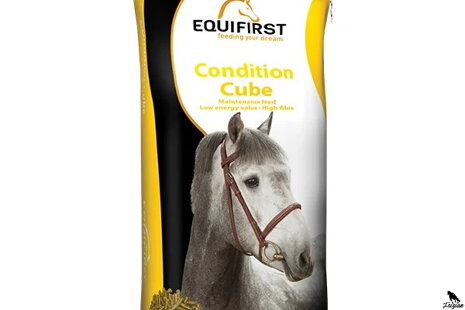
The importance of protein in a horse's diet
Protein in doses is important for muscles, coat, hooves, growth and milk production
 471
471
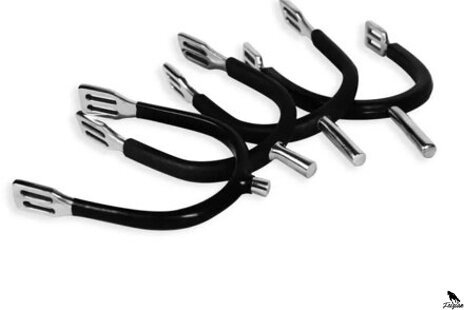
Spurs for riders
Spurs are small but very effective aids for riders that serve to communicate with the horse gently and execute commands with their feet more accurately. They are mainly used in disciplines such as dressage, show jumping or western riding, but also in recreational riding. Proper use of spurs can improve command accuracy, horse control and riding technique. However, improper use can be painful for the horse, so it is important to know how to use them and what type to choose.
 419
419
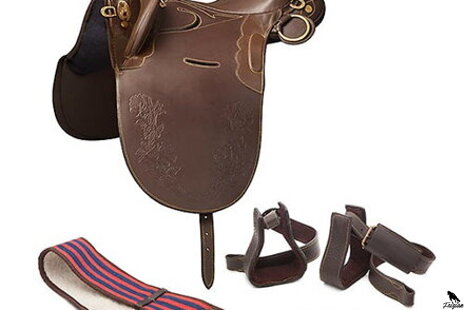
Australian riding
Australian riding is a practical, safe and highly functional riding style that emerged from the needs of everyday work with horses in the demanding conditions of Australia. It combines elements of English and Western riding, while placing particular emphasis on rider stability, confidence in the saddle and comfort during long off-road rides.
 328
328
Using shampoos and conditioners for horses
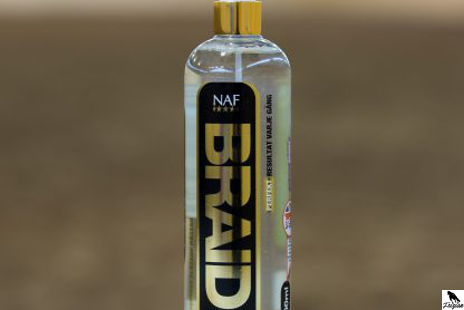
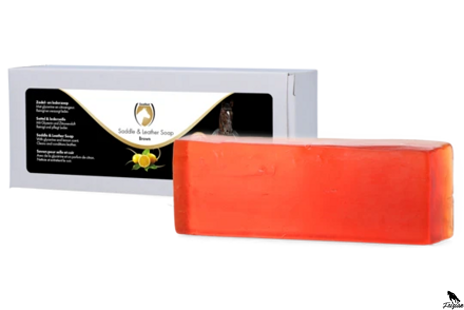
Caring for your horse's coat, mane and tail is essential for their health, comfort and appearance. Regular cleaning and combing not only improves aesthetics, but also prevents skin inflammation, tangles in the tail and mane, and the formation of knots or dirt. Shampoos and combs are essential tools for horse care.
 309
309
Using leather cleaners for horse saddles and bridles
Leather equipment for horses, such as saddles, bridles, halters and breastplates, is an investment that requires regular care. Proper maintenance of leather equipment extends its life, maintains the flexibility of the material and ensures safety when riding. Leather cleaners are a key part of this care.
 301
301
Using martingales and breastplates for horses
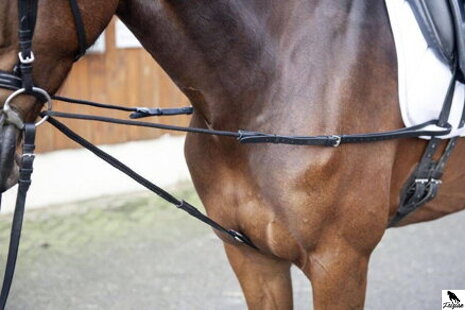
Martingales and breastplates are among the auxiliary and stabilizing elements of horse equipment. Although they are often confused, their purpose is different. The martingale affects the position of the horse's head and neck, while the breastplate serves mainly to stabilize the saddle. When used correctly, they increase the safety and comfort of both rider and horse, but when used incorrectly, they can cause discomfort or health problems.
 296
296
Using repellents for horses
Horse repellents are an important part of care, especially during the warmer months, when the incidence of flies, mosquitoes, gnats and other stinging insects is increased. Insects are not only annoying to horses, but can also cause stress, allergic reactions, skin and eye inflammation and transmit diseases. Properly selected and used repellent significantly increases the comfort and well-being of the horse.
 294
294
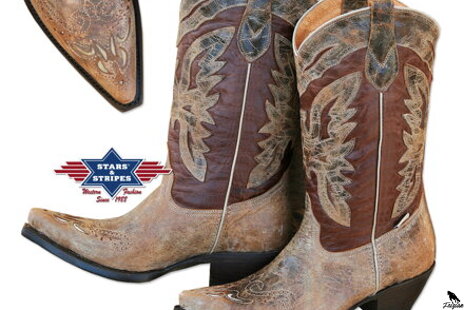
Western riding boots
Western boots are an integral part of western riding. It's not just about the traditional look, but also about the safety, functionality and comfort of the rider. Their shape and construction are adapted to western saddles, stirrups and long hours in the saddle, whether for recreational riding, working with livestock or competing.
 291
291
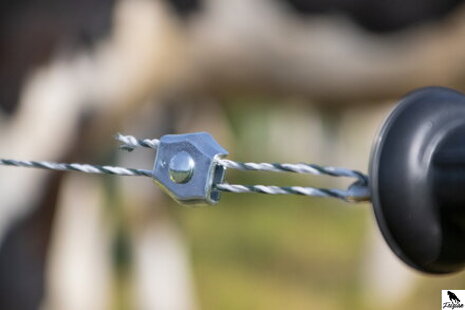
Electric fences for horses
Electric fences are among the most widely used and effective methods of fencing horse paddocks and pastures. They are used to keep horses safely in a designated area, prevent them from escaping, and protect the surrounding area from horses entering unwanted areas. A properly designed and installed electric fence is safe, reliable, and gentle on horses.
 288
288
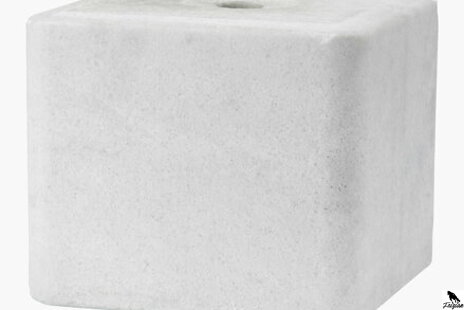
Salt and licks for horses
Salt is an essential nutrient for the proper functioning of a horse's body. It is essential for electrolyte balance, nerve and muscle function, digestion and overall health. Licks and salt supplements are a practical way to ensure that your horse is getting enough salt and minerals.
 288
288
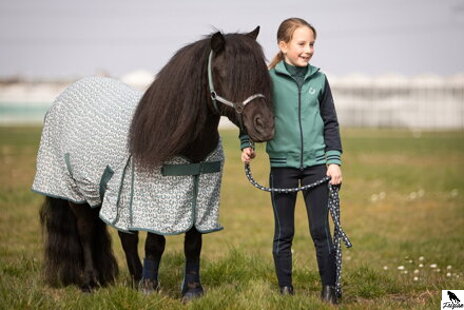
Blankets for horses
A horse blanket is an important part of care, especially in cold, rainy or changeable weather. A properly selected and used blanket helps keep your horse warm, protects it from adverse weather conditions and increases its comfort. However, the use of blankets must always be tailored to the needs of the specific horse.
 286
286
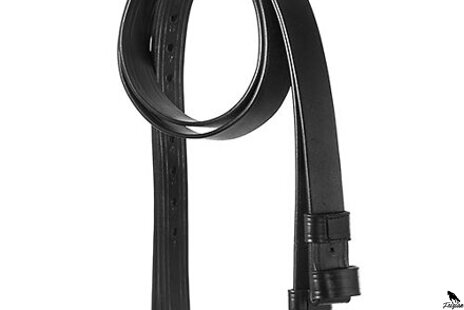
Stirrup straps
Stirrup straps are an integral part of every rider's equipment, as they connect the saddle to the stirrup and allow for a safe and stable fixation of the legs while riding. Their correct adjustment is crucial for the comfort of both rider and horse and for effective work in the saddle.
 285
285
Riding helmets
Riding helmets are an integral part of a rider's safety equipment, protecting the head in the event of falls or impacts. Without a helmet, riding a horse is significantly riskier, as a fall, impact or loss of balance can lead to serious injuries. Modern riding helmets combine safety, comfort and style, and are not only mandatory in competitions, but also recommended for recreational riding.
 281
281
Horse feed supplements
Horses have high nutritional and mineral requirements, especially when under stress, used in sports or in convalescence. Feed supplements are used to replenish nutrients, support health, the immune system and condition when roughage and core feed alone are not enough.
 279
279
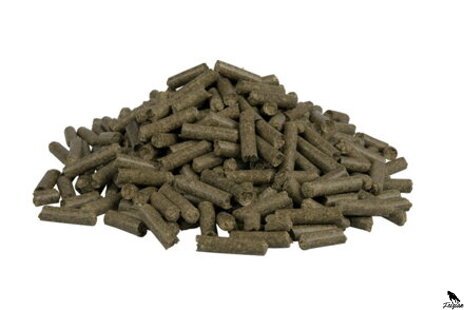
Horse feed
Proper nutrition is the foundation of a horse's health, performance and longevity. The horse is a herbivore with a sensitive digestive system that is adapted to continuous intake of roughage. Improperly formulated or inappropriately fed feed can lead to health problems such as colic, laminitis, stomach ulcers and behavioral disorders.
 279
279
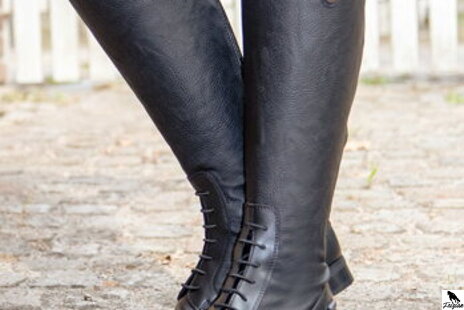
Riding boots
Riding boots are a key part of a rider's equipment, ensuring safety, comfort and proper riding technique. The right boots allow for firm contact with the saddle and horse, protect the feet in the event of a fall and minimize the risk of injury. Riding boots have a special shape, sole and heel that work together with other equipment, such as stirrups and a saddle.
 277
277
Using Western stirrups
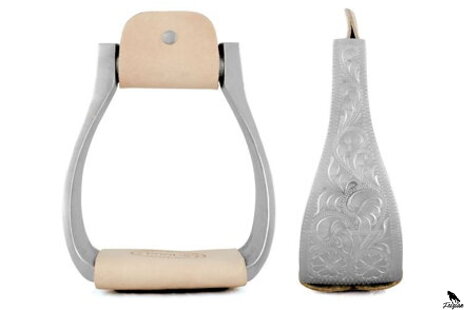
Western stirrups are an important part of a western saddle. They provide the rider with stable foot support and comfort during longer rides. They are used mainly in western riding, working with livestock, but also in recreational riding.
 276
276
Drinkers for horses
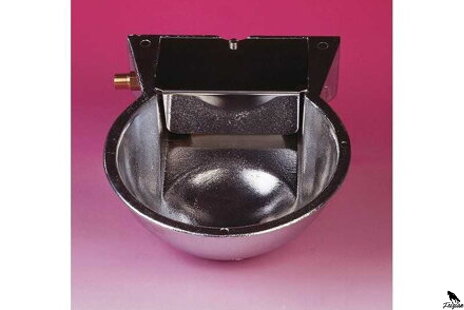
Water is absolutely essential for horses. Each horse drinks 20–60 liters of water per day, depending on size, exercise, weather and diet. The right waterer ensures access to clean and fresh water, which is crucial for the health, digestion, performance and overall well-being of horses.
 275
275
Chaps for riders
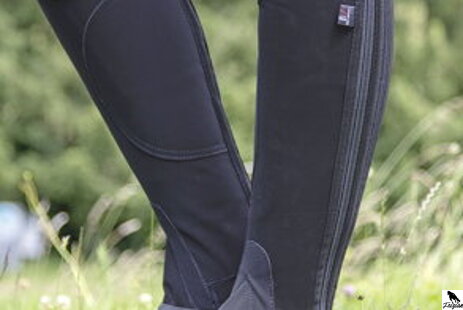
Chaps are an indispensable part of riding equipment, which serves to protect the rider's legs and calves when riding a horse. They are mainly used in combination with short riding shoes or half boots and ensure better contact with the horse, protection against abrasions and stability in the stirrup. Chaps are practical for all disciplines, from dressage, to show jumping, to western riding.
 275
275
Horse girth
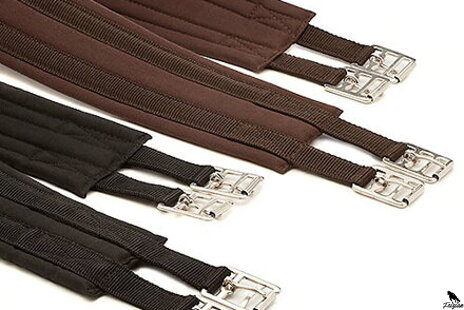
The girth is an integral part of a riding saddle. Its main function is to secure the saddle on the horse's back and prevent it from shifting during riding. Although it may seem like a simple piece of equipment, the correct selection and use of a girth has a fundamental impact on the comfort, performance and health of the horse.
 274
274
Spanish riding
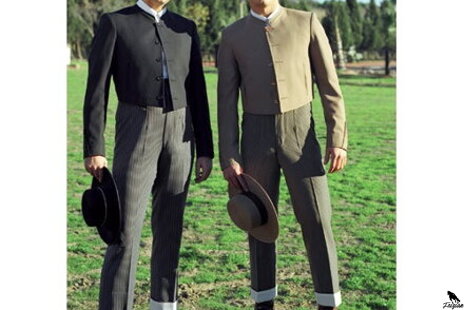
Spanish riding is one of the oldest and most beautiful forms of classical equestrian art. It is based on harmony, lightness and respect for the horse, while emphasizing the natural movement, balance and psychological well-being of the horse. This style of riding is best known thanks to the Spanish Riding School in Vienna and traditional Iberian breeds.
 274
274
Spanish and Portuguese horse saddles
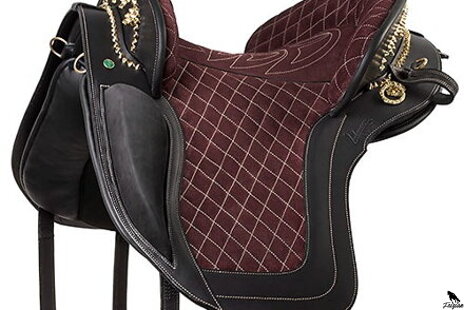
Spanish and Portuguese saddles belong to the category of classic Iberian saddles, which originated in the Iberian Peninsula and are closely linked to the tradition of equestrian art - especially classical dressage, lunge work and cattle work. Their design supports the balance of the rider, the elegance of the horse's movement and precise communication.
 272
272
Using a horse bridle
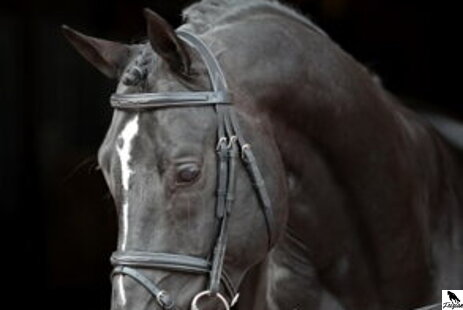
The bridle is one of the most important pieces of horse equipment. It is used to control the horse while riding or working from the ground and allows communication between the rider and the horse through the reins and bit. A properly selected and properly used bridle significantly affects the comfort, health and cooperation of the horse.
 272
272
Using cleaning supplies for horses
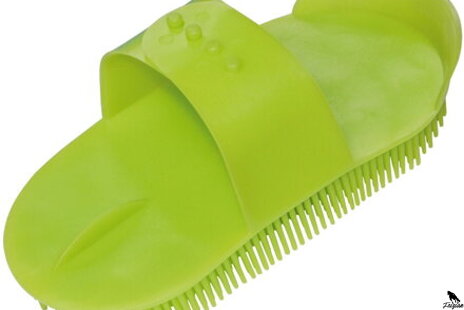
Cleaning your horse is an important part of daily care. It helps keep your horse clean, promotes healthy skin and coat, and strengthens the bond between horse and human. There are a variety of cleaning supplies used for cleaning, each with its own purpose.
 272
272
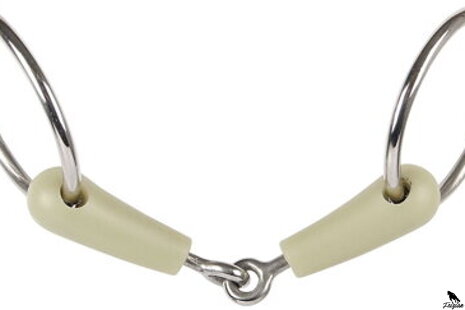
Horse bits
English bits are an important part of a horse's bridle. They are used to communicate between the rider and the horse through the reins. A correctly selected and correctly used bit contributes to the horse's comfort and better controllability when riding.
 270
270
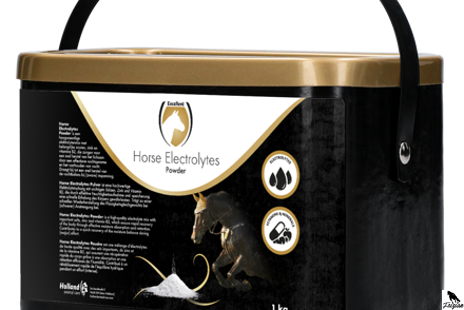
Electrolytes for horses
Electrolytes are essential minerals that play a key role in hydration, muscle function, nerve impulses, and body temperature regulation in horses. Horses lose electrolytes primarily through sweating, so replenishing them is especially important for sports, working, and, in the summer months, recreational horses.
 270
270
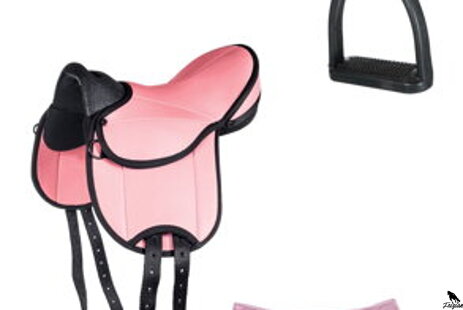
Children's horse saddles
Children's saddles are specially designed for the youngest riders to ride safely and comfortably. Unlike classic saddles, they are smaller, lighter and often equipped with safety features that reduce the risk of falling.
 269
269
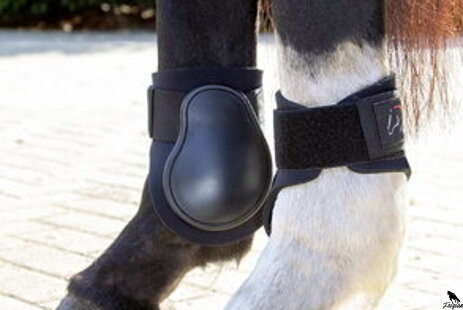
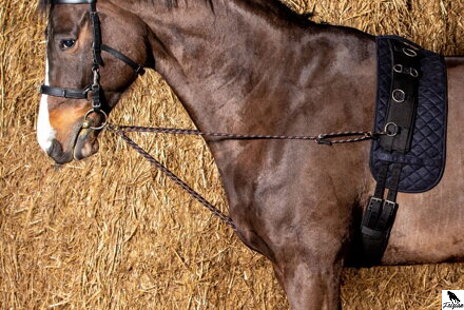
Bandages, pads, gaiters and bells for horses
Caring for a horse's legs is very important because the limbs are the ones that are most stressed during movement and work. Various devices are used to protect and support them, such as bandages, pads, gaiters and bells. Each of them has its own purpose, advantages and disadvantages.
 268
268
Horse lunging
Lunging is an important training technique in which a rider or trainer controls a horse using a long rope – a lunge – from the outside while the horse moves in a circle around the person. Lunging is used to train horses for conditioning, obedience, balance and basic riding skills, but is also ideal for horses that do not yet have a rider or need rehabilitation.
 266
266
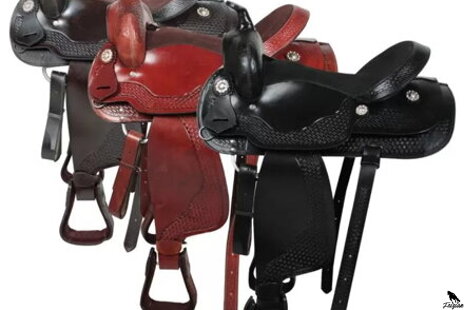
Western saddles for horses
Western saddles are among the most robust and comfortable saddles used in equestrianism. They were developed for long hours in the saddle when working with cattle, which is reflected in their design - they distribute the rider's weight over a large area of the horse and provide excellent stability. Today they are used not only for work, but also for recreational riding, western sports and tourism.
 265
265
Horse polo
Horse polo is one of the most dynamic and technically demanding equestrian disciplines. It combines speed, agility, precise horse control and teamwork. Often referred to as the "equestrian sport of kings", polo is now available to modern riders at both the competitive and recreational levels.
 265
265
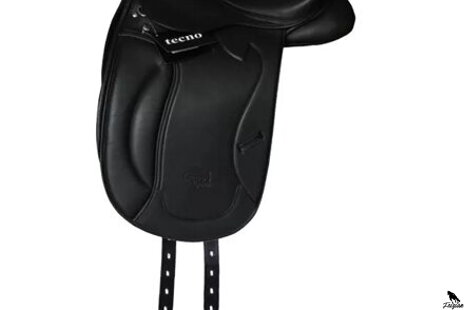
Dressage saddles for horses
A dressage saddle is a specially designed saddle for dressage riding, where precision, contact with the horse, and correct rider position are key. The right saddle ensures comfort for both horse and rider and allows for effective dressage movements.
 264
264
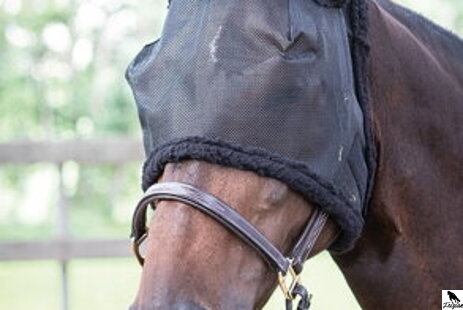
Insects in horses' eyes
During the warmer months, insects are one of the biggest problems for horses. Flies, mosquitoes and bugs can annoy horses, cause stress, allergic reactions and skin diseases. Fly and insect net halters are a practical tool that helps protect the sensitive parts of the horse's head while allowing for safe handling of the animal.
 264
264
Hay nets for horses
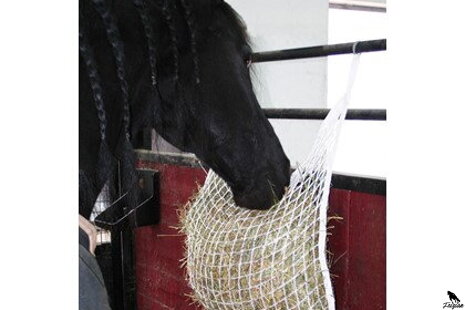
A feeding net is a practical tool used mainly for feeding animals, most often horses, but also cattle or small livestock. It is used to help animals consume food more slowly and in a more natural way.
 263
263
Whips for riders
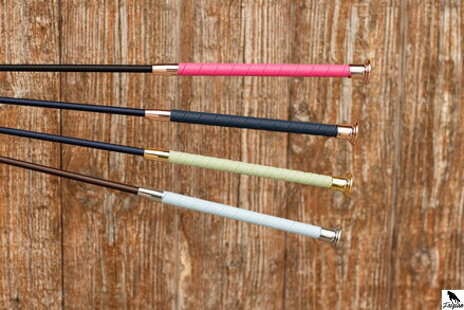
Whips are a tool used by riders to communicate gently with their horses and supplement commands with their feet and voice. They are mainly used to clarify commands, increase the horse's attention, and support riding technique. Proper use of a whip is gentle and should never be a punishment - it is an adjunct to the art of riding that helps achieve precision and efficiency in training and competition.
 262
262
Protective vests for riders
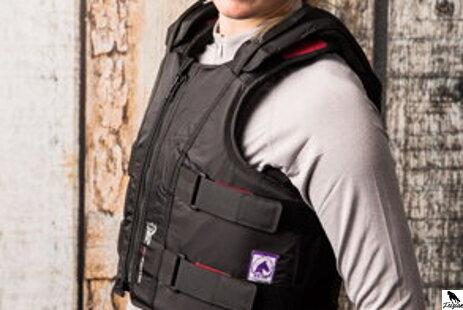
Protective vests are an essential part of a rider's safety equipment, especially when riding in competitions, off-road or during training with a higher risk of falling. The main task of the vest is to protect the rider's torso, chest and spine from impacts, while modern vests combine safety, comfort and mobility.
 261
261
Saddle covers
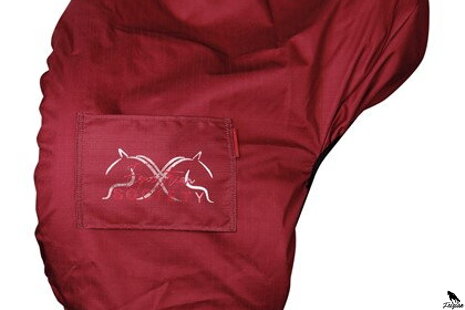
Saddle covers are a practical accessory for the rider and horse, protecting the saddle from dust, dirt, moisture and damage. Their proper use extends the life of the saddle, facilitates its transport and storage, and preserves its aesthetic appearance.
 261
261
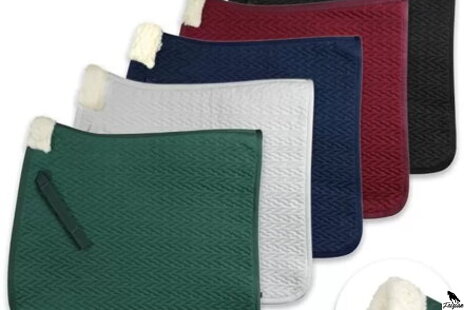
Saddle pads for horses – a detailed guide
A saddle pad is an integral part of a horse's and saddle's equipment. Its main role is to protect the horse's back from friction and pressure from the saddle, but it also helps to evenly distribute the rider's weight. A properly selected and used saddle pad improves the comfort of both horse and rider and prevents health problems associated with improper pressure on the back.
 258
258
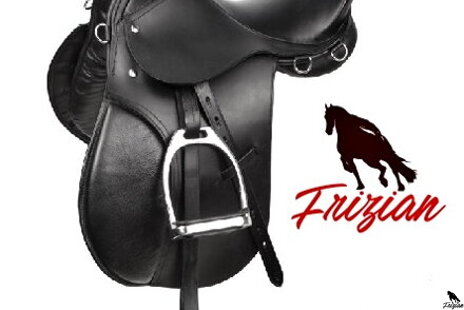
Versatile saddles for horses
An all-round saddle is a type of saddle that is designed to allow riders to combine different disciplines – dressage, jumping and free riding. It is a compromise between dressage and jumping saddles, providing comfort for both rider and horse and flexibility of use.
 255
255
Horse earmuffs
Horse earmuffs are a practical and popular piece of equipment that serves not only as protection but also as a fashion accessory for the horse. They are primarily used during riding, training and competitions to protect the horse's ears from insects, dust and unpleasant noise. Modern earmuffs are available in a variety of materials, colors and shapes, allowing for a combination of functionality and style.
 255
255
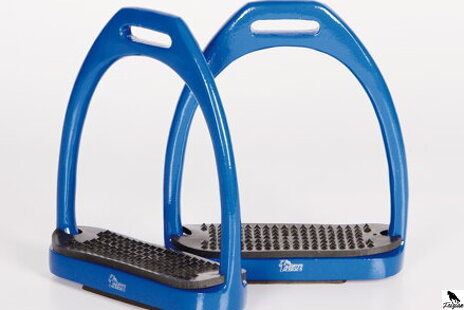
English and safety stirrups
English stirrups are an important part of riding equipment. They serve to support the rider's legs, help maintain balance and proper posture while riding a horse. They are mainly used in English riding styles such as dressage, jumping, and recreational riding.
 253
253
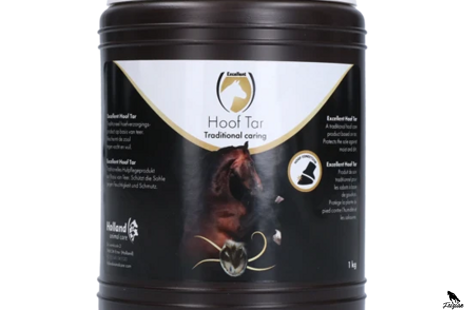
Horse hooves care
Hooves are the basic support and movement unit for horses, and therefore require regular and thorough care. Proper hoof maintenance reduces the risk of disease, injury and improves the overall well-being of the horse. Hoof preparations are an important part of this care, whether it is to prevent drying, mold, cracks or to promote the growth of healthy horn tissue.
 252
252
Dressage riding
Dressage riding is considered the foundation and pinnacle of equestrian art. It is often referred to as "horse gymnastics" because its goal is the harmonious development of both horse and rider, improving balance, obedience, flexibility and mutual communication. Properly ridden dressage results in the horse appearing relaxed, willing and elegant, while responding to the subtle and almost invisible aids of the rider.
 251
251
Riding breeches
Riding breeches are special trousers for riders that combine comfort, safety and effective riding technique. They are used in all disciplines – dressage, show jumping, western, recreational riding – and are an integral part of riding equipment. Breeches protect the calves and inner thighs from abrasions, while improving rider-horse contact and allowing free movement.
 251
251
Trekking saddles for horses
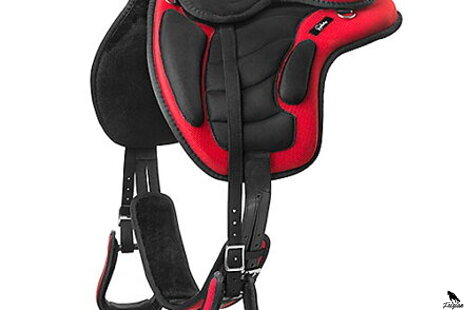
Trekking saddles are specially designed saddles for long walks and off-road riding, where a comfortable and stable position for the rider and maximum protection for the horse's back are key. Unlike dressage or jumping saddles, trekking saddles are optimized for comfort, balance and weight distribution during long rides.
 251
251
Using horse halters
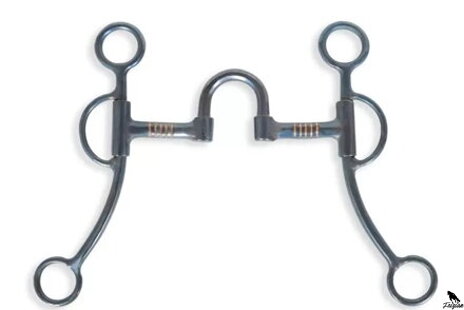
A halter is an essential tool for handling a horse. It is used for leading, tying, grooming, cleaning or transporting. A properly selected and used halter ensures safe control over the horse and at the same time its comfort. Although it is a simple piece of equipment, its selection and use have a great impact on the safety of both the horse and the person.
 251
251
Western bits
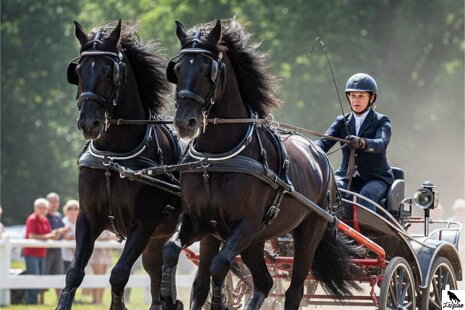
Western bits are part of the Western bridle and are used for gentle and precise communication between the rider and the horse. Compared to English bits, they are used mainly on trained horses that respond to small stimuli from the rider.
 250
250
Carriage
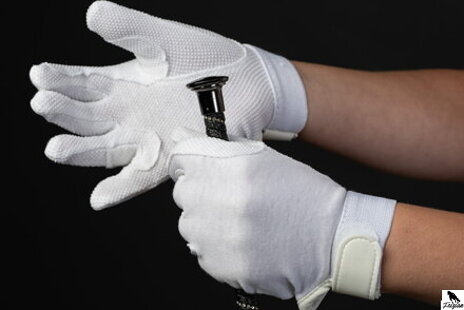
Carriage is one of the oldest forms of horse work and still has an important place in sports, recreation and traditions. It is a discipline in which a horse or horses pull a vehicle (a carriage, cart or sled) and a driver (carrier) controls them with reins. Carriage combines technique, precision, horse power and perfect cooperation between man and horse.
 249
249
Riding gloves
Riding gloves are an integral part of every rider's equipment, ensuring comfort, safety and effective communication with the horse. They protect the hands from abrasions, abrasions from bruises and dirt, while improving the grip on the reins and contact with the bridle. Properly selected gloves are important for safe and comfortable riding, whether it is training, competition or recreational riding.
 247
247
Frameless Saddles for Horses
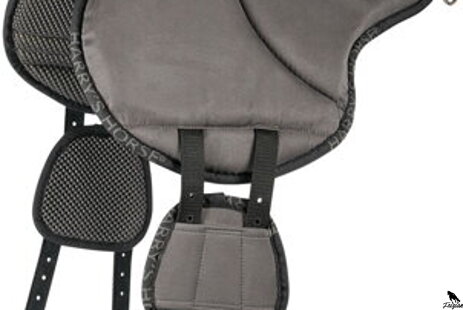
Frameless saddles are a modern type of riding saddle that do not have a traditional wooden or metal tree (frame) and instead use synthetic materials or flexible structures. This type of saddle is designed to maximize the horse's comfort, allow for even weight distribution, and provide greater flexibility in movement.
 245
245
Jumping saddles for horses
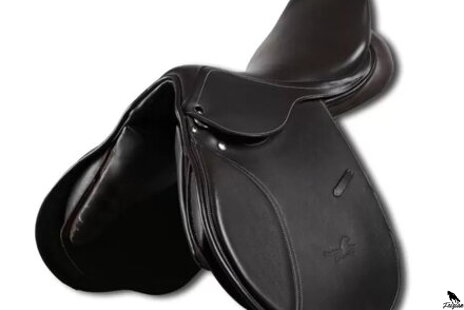
A jumping saddle is a specially designed saddle for riding over obstacles, whether in free jumping or in competitions. The main purpose of a jumping saddle is to provide the rider with stability during jumps, allow for a flexible body position, and at the same time protect the horse's back from pressure and friction.