


Horse earmuffs
Added 23.1.2026 13:05.10 Views count 255
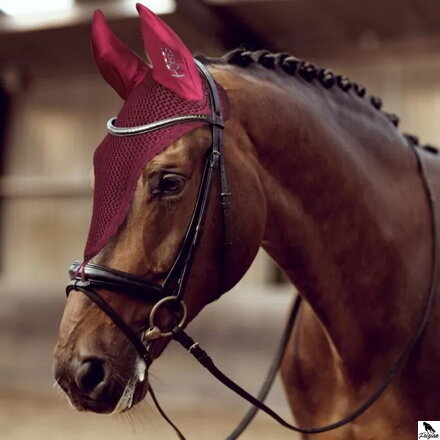
Horse earmuffs are a practical and popular piece of equipment that serves not only as protection but also as a fashion accessory for the horse. They are primarily used during riding, training and competitions to protect the horse's ears from insects, dust and unpleasant noise. Modern earmuffs are available in a variety of materials, colors and shapes, allowing for a combination of functionality and style.
What are earflaps for?
Insect protection: Prevents flies, wasps, or mosquitoes from bothering your horse while riding or training.
Dust and wind protection: Protects sensitive ears when riding off-road or in dusty conditions.
Noise reduction: Some models reduce annoying noises and help calm nervous horses.
Aesthetics: Earflaps are often matched to the color of the saddle or bridle, giving the overall look a professional and polished feel.
Competition use: Allowed in many disciplines, especially dressage and show jumping, to improve the horse's concentration.
How to use earflaps
Fit: The earflaps are pulled over the horse's ears so that they sit comfortably and do not put pressure on the earlobes.
Comfort check: Check that the earflaps do not pinch or push the horse.
Bridle use: Earflaps are usually worn with the bridle and should not interfere with the movement of the riding gear.
Washing and maintenance: Most earflaps are made of cotton, mesh or synthetic materials and can be washed by hand or in a washing machine on a gentle cycle.
Storage: Earflaps are stored loose or rolled up to maintain their shape and prevent damage.
Types of earflaps5
1. Cotton earflaps
A traditional material, often knitted or sewn.
Advantages:
Soft and comfortable
Good breathability
Affordable
Disadvantages:
Less resistant to strong wind or rain
Can get dirty quickly
2. Mesh earflaps (mesh/fine mesh)
Earflaps with a fine mesh, ideal for protection against insects.
Advantages:
Excellent protection against flies and mosquitoes
Lightweight and breathable
Retains the shape of the ear
Disadvantages:
May be less aesthetic for competitions
Less effective against wind
3. Elastic or stretch earplugs
The material adapts to the size of the horse's ear and head.
Advantages:
Easy to put on3
Stable while riding
Comfortable for the horse
Disadvantages:
May wear out faster
Not always strong enough to protect against insects
4. Noise-absorbing earplugs
Contain a special material that dampens sounds.
Advantages:
Helps nervous horses focus
Reduces stress during noisy competitions
Disadvantages:
More expensive than classic earflaps
Not always allowed in all disciplines
5. Competition earflaps (dressage/competition)
Often made of cotton or synthetic fabric, they match the saddle and bridle.
Advantages:
Professional look
Comfort for the horse
Looks elegant at competitions
Disadvantages:
Higher price
Less suitable for everyday off-road riding
Advantages of using earmuffs
Protection from insects and dust
Comfort and safety for the horse
Reduce stress in noisy conditions
Helps concentration during training or competition
Aesthetic accessory that matches the saddle and bridle
Disadvantages
If worn incorrectly, they can press on the ears and cause discomfort
Some models are more expensive
Not all cushioning models are allowed at competitions
Wear from frequent washing or use
How to choose the right earmuffs
Material: Cotton - comfortable, mesh - protection from insects, elastic - comfortable and adaptable.
Size and shape: The earflap must fit snugly over the horse's ears, without slipping or pushing.
Purpose: Training, competition, insect protection, noise reduction, or a combination.
Aesthetics: Match the saddle, bridle, or color of the horse.
Maintenance: Machine washable, quick-drying materials are an advantage.
Safety: Make sure no part of the earflap interferes with the rider or the horse's limb movements.
Tips for use
Check the horse's comfort before each ride
Clean the ear flaps of dust and mud after riding
Do not use models that are too tight to prevent blood circulation
When competing, check the permitted types of ear flaps
Regularly check the wear of the material and seams
Most common mistakes
Ear flaps too tight or loose
Not using when riding in the summer when insects bother the horse
Choosing a material that is not breathable or noisy for a sensitive horse
Ignoring permits in competition disciplines
Ear flaps for horses are a practical and functional accessory that improves the comfort and protection of the horse, and can also be a stylish accessory at competitions. The right choice depends on the material, size, purpose, type of riding and the horse's preferences. Regular use and proper maintenance will ensure long-term functionality, comfort and safety for the horse, and thus a better riding experience.
Tags
- Horse earmuffs are a practical and popular piece of equipment that serves not only as protection but also as a fashion accessory for the horse. They are primarily used during riding
- training and competitions to protect the horse's ears from insects
- dust and unpleasant noise. Modern earmuffs are available in a variety of materials
- colors and shapes
- allowing for a combination of functionality and style.