



Riding boots
Added 23.1.2026 13:36.54 Views count 279
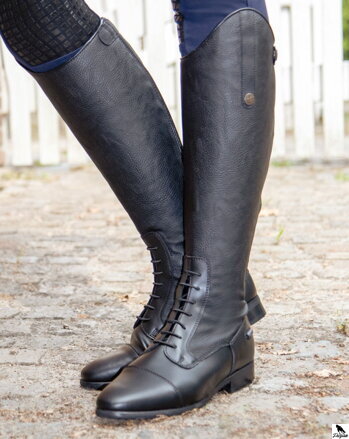
Riding boots are a key part of a rider's equipment, ensuring safety, comfort and proper riding technique. The right boots allow for firm contact with the saddle and horse, protect the feet in the event of a fall and minimize the risk of injury. Riding boots have a special shape, sole and heel that work together with other equipment, such as stirrups and a saddle.
What are riding boots for?
Safety: Preventing the foot from slipping out of the stirrup and protecting the foot from injuries.
Stability: The heel and hard sole ensure firm contact with the stirrup.
Comfort: The ergonomic shape and material allow for longer rides without pressure marks.
Technique support: Riding boots improve foot position, facilitate horse control and effective use of the thighs.
Aesthetics and competitions: Elegant footwear is often mandatory for competitions and dressage.
How to use riding boots
Proper fit: The shoes must fit tightly, not press or be too loose.
Use with stirrups: The heel of the shoe prevents the foot from slipping out of the stirrup.
Maintenance: Regularly treat leather boots with impregnation cream to keep them flexible and waterproof.
Replacement: Shoes with damaged soles or worn toes can compromise rider safety and should be replaced.
Proper shoeing: For longer rides, it is recommended to wear socks of appropriate thickness for comfort and to prevent abrasions.
3
Types of riding shoes
1. Long riding boots
Traditional boots for dressage, show jumping and competition.
Advantages:
Elegant appearance
High calf protection
Supports proper foot technique
Disadvantages:
Higher price
Requires maintenance and impregnation
May be less comfortable for longer walks outside of riding
2. Short riding boots (half boots)
Used with riding slippers or galoshes.
Advantages:
Comfortable and lightweight
Universal for recreational riding and training
Cheaper than long boots
Disadvantages:
Less calf protection
Requires the use of flippers or chaps for competitions
3. Western boots
Typical for western riding, with a metal or low heel.
Advantages:
Durable and sturdy
Supports the foot in a western stirrup
Traditional look for western disciplines
Disadvantages:
May be less comfortable when standing for long periods
Sometimes less adaptable to modern western structures
4. Softshell or synthetic boots
Modern, light and flexible boots suitable for recreational riding and training.
Pros:
Lightweight and breathable3
Cheaper than leather versions
Quicker to maintain
Cons:
Lower durability
Less elegant appearance for competitions
Less calf protection
5. Insulated boots
Suitable for winter and cold weather riding.
Advantages:
Keeps feet warm
Comfortable when riding in winter or cold conditions
Disadvantages:
Can be bulkier
Less breathable, prone to sweating
Advantages of riding boots
Ensures a safe and stable hold on the feet
Protects the foot and calf from falls and impacts
Supports proper riding technique
Provides comfort during longer rides
Professional look for competitions and disciplines
Disadvantages
Higher price of quality leather boots
Requires regular maintenance and impregnation
Some models may restrict movement during longer walks
Old or damaged boots can jeopardize the rider's safety
How to choose the right riding boots
Size and comfort: The boot must fit snugly, not press or be loose.
Purpose: Competition, dressage, show jumping, western or recreational riding.
Material: Leather, synthetic, softshell - depending on durability and comfort.
Heel type: The heel prevents the foot from slipping out of the stirrup.
Maintenance: Leather shoes require regular care, synthetic ones are easier to maintain.
Choosing between boots and ankle boots: Depends on the discipline and personal comfort.
Durability and breathability: Breathable material and a sturdy sole are recommended for long rides.
Tips for use
Always wear suitable socks, ideally high and seamless
Check the sole and heel before each ride
Regularly treat leather boots with impregnation cream
After a long ride, let the boots dry and air out
When competing, follow the rules of the discipline regarding the type of footwear
Most common mistakes
Wearing the wrong size
Ignoring the heel and hardness of the sole
Not using suitable socks or slippers
Insufficient maintenance of leather boots
Using old or worn-out boots during training or competition
Riding boots are an integral part of safe and effective horse riding. The right choice depends on size, type, material, purpose and comfort, while regular maintenance and inspection of boots before riding ensures the safety and comfort of the rider. High-quality boots support riding technique, provide stability in the stirrup and protect the foot and calf from injuries.
Tags
- Riding boots are a key part of a rider's equipment
- ensuring safety
- comfort and proper riding technique. The right boots allow for firm contact with the saddle and horse
- protect the feet in the event of a fall and minimize the risk of injury. Riding boots have a special shape
- sole and heel that work together with other equipment
- such as stirrups and a saddle.