


Protective vests for riders
Added 23.1.2026 13:30.29 Views count 262
Protective vests are an essential part of a rider's safety equipment, especially when riding in competitions, off-road or during training with a higher risk of falling. The main task of the vest is to protect the rider's torso, chest and spine from impacts, while modern vests combine safety, comfort and mobility.
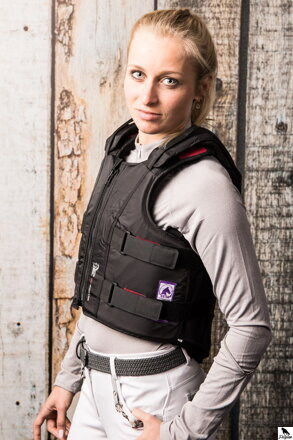
What are protective vests for?
Chest and spine protection: They reduce the risk of rib fractures, internal organ injuries and spinal damage in falls.
Impact absorption: Special foam or material padding absorbs the energy of the impact.
Safe riding support: They provide a sense of security, which improves concentration and riding technique.
Comfort and flexibility: Modern vests allow free movement of the arms and torso in all riding disciplines.
Competition protection: In many disciplines, such as cross-country, dressage or western competitions, some vests are mandatory.
How to use vests
Choosing the right size: The vest must fit snugly against the torso, but must not restrict movement.
Putting on and fastening: Close all zippers, Velcro fasteners or buckles and check that the vest fits evenly.
Comfort Check: Move your arms and torso to make sure the vest does not restrict movement or breathing.
Riding Use: Always wear when riding off-road, cross-country, or performance riding.
Maintenance: Most vests can be hand or machine washed according to the manufacturer's instructions. Some have removable lining.
Replacement: Vests that have been subjected to impact during a fall should be replaced immediately, even if there is no visible damage.
3
Types of Vests
1. Foam Vests
The most common type, made of foam panels.
Advantages:
Lightweight and flexible
Comfortable for longer rides
Affordable
Disadvantages:
Less resistance to very hard falls
Foam padding can compress over time and lose its protective ability
2. Airbag vests
Modern vests that automatically inflate an air bag around the chest and spine when you fall.
Advantages:
Highest protection in falls
Reduces the risk of fractures and internal organ injuries
Ideal for cross-country and off-road riding
Disadvantages:
Higher price
Requires replacement of the CO₂ capsule after inflation
Occasional need for servicing the mechanism
3. Certified competition vests (EN13158, Level 3)
Meet strict safety standards and are designed for competitions.
Advantages:
High protection of the chest and spine3
Resistant to impacts and falls
Mandatory for some disciplines
Disadvantages:
More expensive than regular vests
Can be less flexible when moving
4. Winter and thermal vests
Vests with warm padding for riding in cold weather.
Advantages:
Keeps the rider's body warm
Combination of protection and comfort
Disadvantages:
Can be bulkier
Less breathable, which can cause sweating
5. Ultralight and flexible vests
Designed for comfort and freedom of movement, suitable for dressage or free riding.
Advantages:
Maximum flexibility and movement
Lightweight for long rides
Disadvantages:
Less impact protection compared to thick foam or airbag vests
Advantages of protective vests
Significantly reduce the risk of serious chest and spine injuries
Absorb the energy of a fall
Increase safety when riding off-road, cross-country or in competitions
Provide comfort and confidence to the rider
Modern materials are light and flexible
Disadvantages
Higher price of quality models (especially airbag vests)
Some models may be less breathable
After a fall or damage, the vest needs to be replaced
They may restrict movement with some types of vests
How to choose the right vest
Size: The vest must fit tightly, must not move during a fall, but allows free movement of the arms.
Purpose: Training, competition, cross-country, recreational riding or winter riding.
Material: Foam, airbag, combination of foam and textile - depending on the required protection and flexibility.
Certification: EN13158 or Level 3 (especially for competition and cross-country).
Comfort: It is recommended to try the vest in motion to ensure freedom of the hands and torso.
Maintenance: Some vests are washable, airbag vests require service of CO₂ capsules and mechanisms.
Accessories: Some vests have adjustable panels, removable lining or ventilation for better comfort.
Usage Tips
Always wear a vest when riding off-road, cross-country or when training new horses
Check fit and fastening before riding
Replace the vest immediately after a fall or impact
Keep the vest clean according to the manufacturer's instructions
For airbag vests, regularly check the mechanism and replace the capsules
Most common mistakes
Wearing the wrong size
Ignoring certification and safety standards
Using an old or damaged vest after a fall
Failure to maintain and clean
Incorrect fastening or adjustment with the buckle
A protective vest is an essential safety device for the rider, significantly reducing the risk of serious chest and spine injuries. The right choice depends on size, purpose, material, certification and comfort, while regular inspection, maintenance and replacement after a fall are key to maintaining safety. Modern vests combine protection, flexibility and comfort, allowing for safe riding in every discipline and during every training session.
Tags
- Protective vests are an essential part of a rider's safety equipment
- especially when riding in competitions
- off-road or during training with a higher risk of falling. The main task of the vest is to protect the rider's torso
- chest and spine from impacts
- while modern vests combine safety
- comfort and mobility.