



Horse hooves care
Added 23.1.2026 11:34.12 Views count 253
Hooves are the basic support and movement unit for horses, and therefore require regular and thorough care. Proper hoof maintenance reduces the risk of disease, injury and improves the overall well-being of the horse. Hoof preparations are an important part of this care, whether it is to prevent drying, mold, cracks or to promote the growth of healthy horn tissue.
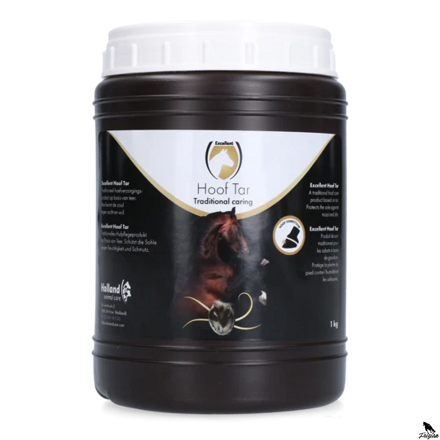
Function of hoof preparations
Hoof preparations have several basic tasks:
Ensure proper moisture and elasticity of the hooves.
Protect against cracking and breaking of the horn.
Strengthen and maintain healthy growth of the hoof horn.
Eliminate or prevent the development of mold and bacterial infections (e.g. silver or rotting hooves).
Help regenerate damaged or weakened hooves.
Preparations can be in the form of ointments, oils, balms, sprays or creams, and are selected according to the needs of a particular horse.
How to use hoof preparations
Hoof cleaning: Before applying the preparation, the hooves must be thoroughly cleaned of mud, stones and other dirt using a hoof hook.
Drying: If the hoof is wet, let it dry slightly - the preparations are applied to a dry surface.
Application: Apply a small amount of the product evenly over the entire horn of the hoof and the torch (the bottom of the hoof).
Massage: Gently massage the product into the hoof.
Frequency: Most products are applied 2–3 times a week, some intensive oils or balms are used daily for dry or damaged hooves.
Types of hoof products
1. Hoof oils
The most commonly used are lanolin, coconut or paraffin oils.
Advantages:
Hydration and softening of the horn
Promotes elasticity and shine of the hoof
Disadvantages:
Can soften the hoof too much if used excessively
Not all oils are suitable for damp or wet hooves
2. Balms and ointments
Contain moisturizing and regenerating substances (e.g. lanolin, wax, vitamins).
Advantages:
Intensive nutrition and protection
Prevention of cracks
Disadvantages:
Higher price
Can attract dust if applied excessively
3. Sprays and liquid preparations
Convenient for quick application, sometimes contain an antiseptic against mold and bacteria.
Advantages:
Quick and clean application5
Suitable for preventing mold and rot
Disadvantages:
Less effective for very dry or damaged hooves
Shorter duration of action
4. Medicinal preparations
Contain antiseptics or ingredients to treat silver and rotting hooves.
Advantages:
Effective in hoof diseases
Prevents the spread of infection
Disadvantages:
Use as recommended by a veterinarian
Less suitable for daily prevention
Benefits of using hoof preparations
Reduces the risk of cracks, breakage and rot
Promotes healthy horn growth
Protects against drying out or overwetting
Helps regenerate damaged hooves
Improves the horse's overall comfort when moving
Disadvantages and risks
The wrong type of preparation can soften the hoof too much or dry it out
Some chemical preparations can irritate sensitive horses
Requires regular use
Excessive application of oils or ointments can attract dirt
How to choose the right preparation
When choosing a hoof preparation, it is necessary to take into account:
the condition and type of hoof (dry, hard, soft, damaged),
the environment in which the horse lives (pasture, stable, humid environment),
purpose (prevention, regeneration, treatment),
the composition of the product (natural vs. chemical),
the practicality of application (ointment, oil, spray),
veterinarian recommendations for diseases.
Tips for hoof care
Clean hooves regularly, ideally daily or after each ride
Check hooves for cracks, inflammation or odor
Apply the appropriate product according to the condition of the hooves
Store products in a dry and dark place
For acute problems, contact a farrier or veterinarian
The most common mistakes
Not using products regularly
Using the wrong type of product
Excessive or insufficient application
Ignoring problems such as rot or cracks
Hoof products are an integral part of horse care. The right choice, regular use and combination with a clean, regularly inspected hoof routine ensures healthy, strong and flexible hooves that support the horse's comfort and performance. Hooves are the foundation of healthy movement, so their maintenance cannot be underestimated.
Tags
- Hooves are the basic support and movement unit for horses
- and therefore require regular and thorough care. Proper hoof maintenance reduces the risk of disease
- injury and improves the overall well-being of the horse. Hoof preparations are an important part of this care
- whether it is to prevent drying
- mold
- cracks or to promote the growth of healthy horn tissue.