


Spurs for riders
Added 23.1.2026 14:03.45 Views count 471
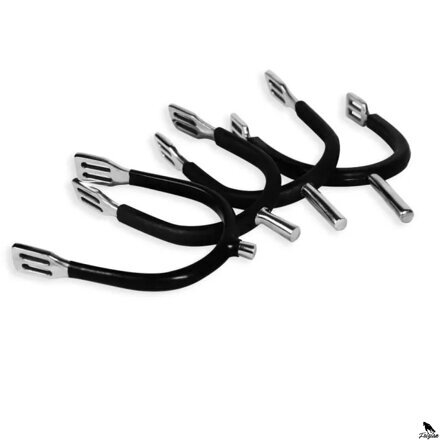
Spurs are small but very effective aids for riders that serve to communicate with the horse gently and execute commands with their feet more accurately. They are mainly used in disciplines such as dressage, show jumping or western riding, but also in recreational riding. Proper use of spurs can improve command accuracy, horse control and riding technique. However, improper use can be painful for the horse, so it is important to know how to use them and what type to choose.
What are spurs for?
Supporting leg commands: They help to emphasize the rider's signal when the calf is used.
Accuracy: They allow for more precise commanding of a specific movement or change of gait.
Gentle correction: They serve as a complement to natural riding movement, not as a punishment.
Improving riding technique: They promote proper leg posture and contact with the horse.
Professionalism: The use of spurs is common in dressage, show jumping, and western competitions.
How to use spurs
Choosing the right size and type: Spurs must fit tightly and not move freely on the shoe.
Correct position: They are placed on the heel of the riding boot so that the point of the spur points backward and slightly upward.
Use when riding: They are used by gently touching the calf to the side of the horse. Do not use spurs for force or punishment.
Intensity: Beginners should use softer spurs and gentle pressure, gradually increasing the accuracy of the signal.
Maintenance: Metal spurs should be kept clean, leather straps for fastening should be checked regularly.
Types of spurs
1. Straight spurs
Traditional, simple spurs with a straight shank.
Advantages:
Simple and safe for beginners3
Gentle commands without aggression
Low cost and easy to maintain
Disadvantages:
Less accurate for gentle dressage
Less effective for disciplined horses
2. Curved spurs
The shank is slightly bent backwards, often with a ball at the end.
Advantages:
More precise control and signal
Suitable for dressage and show jumping
Facilitates gentle communication with the horse
Disadvantages:
Requires experience in use
Incorrect use can cause discomfort to the horse
3. Wheel spurs
The shank ends with a small rotating wheel.
Advantages:
A softer touch, minimizes the risk of injury to the horse
Precise and effective for advanced riders
Suitable for training and competitions
Disadvantages:
Higher price
Requires a certain technique of use
4. Western spurs
Typical for western disciplines, often with a longer shank and decorations.
Pros:
Durable and strong
Longer shank allows for a signal even when riding more freely
Traditional western look
Cons:
Heavier
May not be suitable for fine dressage
5. Elastic or safety spurs
Modern spurs that bend when subjected to excessive pressure to prevent injury to the horse.
Advantages:
Safer for the horse3
Suitable for beginners and training
Minimizes the risk of injury
Disadvantages:
Can be less accurate
Higher price
Benefits of using spurs
More precise and gentle leg commands
Better control of the horse during competitions and training
Promotes correct leg posture and riding technique
Professional appearance of the rider
Effective training of advanced horse movements
Disadvantages
Incorrect use can cause pain or injury to the horse
Requires experience and a sense of riding
Not suitable for complete beginners without supervision
Metal spurs can damage shoes or saddles if handled clumsily
How to choose the right spurs
Purpose: Dressage, show jumping, western or recreational riding.
Type: Straight for beginners, curved or roller for advanced riders.
Shank length: The right length for the type of shoe and discipline – it should not be too long.
Material: Metal, stainless steel, sometimes with a rust-resistant finish.
Safety: Elastic or safety spurs are suitable for beginners.
Practicality: Check the straps and fastenings – firm, comfortable, but easily adjustable.
Rider experience: A beginner should start with soft or straight spurs, an advanced rider can use spurs more precisely and effectively.
Tips for use
Do not use spurs as a punishment, only as a gentle aid for precise commands
Train gentle pressure and feel when contacting the horse
Check the attachment and position of the spurs before riding
Beginners use shorter and softer spurs
Advanced riders can use wheeled or curved spurs for precise communication
Most common mistakes
Excessive pushing or using force
Incorrect length or type of spur
Use without previous experience or training
Ignoring the horse's reactions - spurs are a tool, not a punishment
Inattention when attaching straps that can come loose
Spurs are an important aid for precise and gentle control of the horse, which supports riding technique, stability and communication with the horse. The correct choice of spurs depends on the discipline, rider experience, type and length of the shank. When using them, it is necessary to pay attention to the softness, safety and comfort of the horse. High-quality and correctly used spurs improve riding precision, facilitate training and increase the comfort of both rider and horse.
Tags
- Spurs are small but very effective aids for riders that serve to communicate with the horse gently and execute commands with their feet more accurately. They are mainly used in disciplines such as dressage
- show jumping or western riding
- but also in recreational riding. Proper use of spurs can improve command accuracy
- horse control and riding technique. However
- improper use can be painful for the horse
- so it is important to know how to use them and what type to choose.