


Dressage riding
Added 23.1.2026 15:06.46 Views count 253
Dressage riding is considered the foundation and pinnacle of equestrian art. It is often referred to as "horse gymnastics" because its goal is the harmonious development of both horse and rider, improving balance, obedience, flexibility and mutual communication. Properly ridden dressage results in the horse appearing relaxed, willing and elegant, while responding to the subtle and almost invisible aids of the rider.
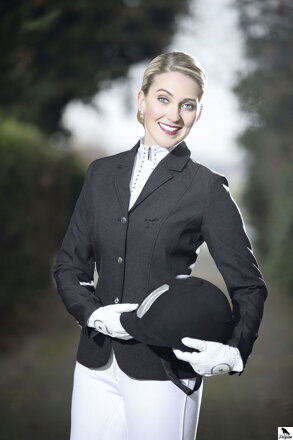
What is dressage
Dressage is an equestrian discipline in which the rider systematically trains the horse so that it:
carries the rider in balance
moves regularly and relaxed
reacts accurately to aids
performs prescribed exercises with ease
Dressage riding is the basis for all equestrian disciplines - show jumping, western, endurance and recreational riding.
What is dressage riding for
Improving the horse's balance
Strengthening the muscles of the back, buttocks and abdomen
Developing elasticity and flexibility
Improving obedience and reactions
Preventing injuries and overload
Creating a harmonious rider-horse relationship
Dressage is not only about competitions, but also about proper everyday training.
Basic principles of dressage riding
Dressage training scale
Every proper training should follow this sequence:
Tact (regularity of gait)
Relaxation
Contact
Impulse (energy of movement)
Straightening
Collection
Without mastering the lower levels, it is not possible to properly achieve the higher exercises.
How is dressage riding performed6
The rider sits upright, relaxed and balanced
The aids are soft, precise and coordinated
The horse moves forward - down - into contact
Training is carried out gradually, without pressure
Each exercise has a clear goal and meaning
Types of dressage riding
1. Basic (recreational) dressage
Designed for:
beginners
recreational riders
young horses
Characteristics:
work in walk, trot and canter
transitions between gaits
circles, serpentines, changes of direction
Advantages:
Improves the horse's controllability
Safe and suitable for everyone
Builds good habits
Disadvantages:
Requires patience
Less "attractive" for impatient riders
2. Sport dressage
A competitive discipline with precisely given tasks.
Levels:
light dressage
medium dressage
high dressage
Exercises:6
collected gaits
half pirouettes
passage, piaggio
quick changes in gallop
Advantages:
The pinnacle of equestrian art
Elegant and precise discipline
Excellent cooperation between rider and horse
Disadvantages:
High training demands
Time- and financially demanding
Not suitable for impatient riders
3. Classical dressage
Based on traditional principles (e.g. Spanish riding school).
Advantages:
Long-term health of the horse
Great emphasis on relaxation and balance
Disadvantages:
Very slow training
Requires an experienced trainer
Benefits of dressage riding
Healthy and strong back of the horse
Better balance and coordination
Gentle and precise communication
A versatile basis for other disciplines
Prevention of injuries and overload
Harmonious movement of the horse
Disadvantages and risks
Improper training can lead to:
stiffness
back pain
mental stress of the horse
Requires:
a lot of time
patience
proper guidance
How to choose a horse for dressage
Good movement mechanics
Willingness to cooperate
Proper body structure
Quality walk, trot and canter
Calm, docile nature
👉 Dressage is not just about the breed – proper training is important.
Dressage riding equipment (briefly)
Dressage saddle
Dressage bridle and bit
Dressage saddle pad
Riding boots and breeches
Protective equipment for the horse as needed
The most common mistakes in dressage
Going too fast
Hard hands and strong equipment
Insufficient relaxation
Ignoring the training scale
Riding "in shape" instead of proper work from behind
Dressage riding is the basis of any quality riding training. It is not just about competitions, but about proper, healthy and long-term riding of the horse. Patience, sensitivity and systematic training lead to harmony, ease and joy of riding – for both horse and rider.
Tags
- Dressage riding is considered the foundation and pinnacle of equestrian art. It is often referred to as "horse gymnastics" because its goal is the harmonious development of both horse and rider
- improving balance
- obedience
- flexibility and mutual communication. Properly ridden dressage results in the horse appearing relaxed
- willing and elegant
- while responding to the subtle and almost invisible aids of the rider.