


Garden Pond Blog – Tips, Care and Implementation
 291
291
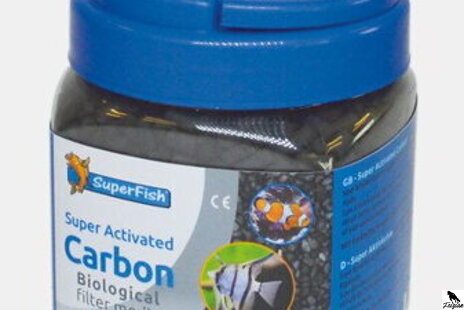
Activated carbon and zeolite
Activated carbon and zeolite are often used in garden ponds as part of the filtration system. These are mineral and chemically active materials that significantly contribute to water clarity, odor reduction and the removal of harmful substances. Although they are not a biological filter like biofoam or Japanese mat, they supplement filtration and help maintain a healthy ecosystem.
 287
287
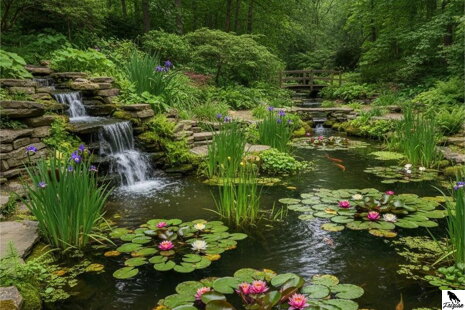
Aquatic and marsh plants for the pond
Aquatic and marsh plants are the foundation of a healthy pond ecosystem. They not only enhance aesthetics, but also fulfill ecological functions that keep the water clean and stable.
 283
283
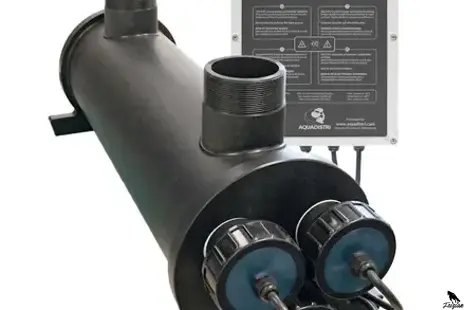
UV lamps for garden ponds
UV lamps (UV sterilizers / UVclarifiers) are technical devices that reduce the amount of algae and pathogens in water using ultraviolet light. In ponds, they are one of the most effective ways to keep water clear and healthy without excessive chemical intervention.
 267
267
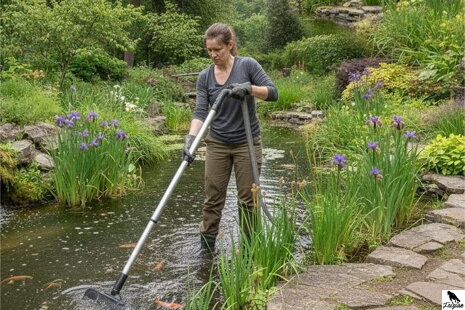
Vacuuming a garden pond
Vacuuming your pond is one of the key maintenance activities to maintain healthy water and a clean environment for fish, plants and microorganisms. Proper and regular vacuuming helps prevent the buildup of sludge, organic waste, leaves and other debris that can degrade water quality and promote algae growth.
 265
265
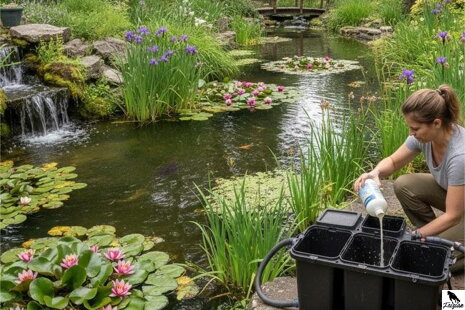
Starter, maintenance and sludge bacteria
Bacteria are a key element in the biological balance of any garden pond. Used correctly, they can improve water quality, prevent algae growth, support fish health and break down organic waste. There are starter, maintenance and sludge bacteria on the market, which have different functions.
 262
262
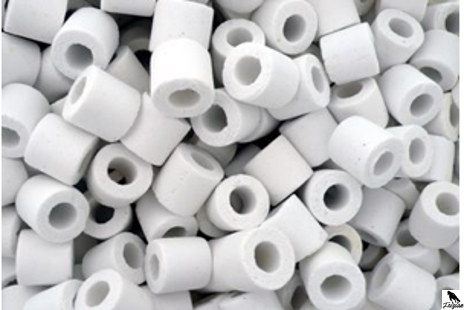
Biobeads, Helix, bacterial houses and bioblocks
Biological filtration is key to healthy pond water. Mechanical filters capture impurities, but only biological media converts toxic substances (ammonia, nitrites) into less harmful nitrates.
 258
258
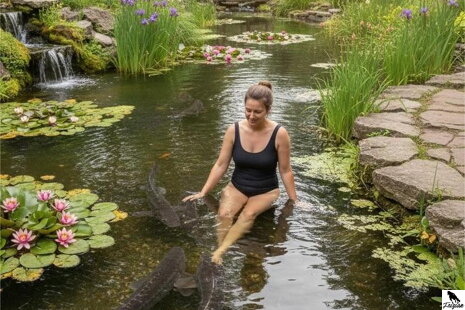
Sturgeon feed
Sturgeons are unique ancient fish that stand out not only for their appearance but also for their specific eating habits. They are bottom omnivores/carnivores with a preference for animal food and their proper nutrition is crucial for growth, health, immunity and lifespan in the garden environment.
 256
256
Skimmers for garden ponds
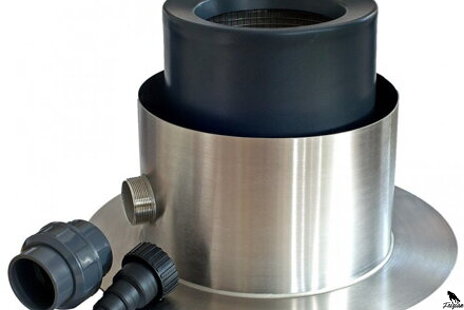
Skimmers are special devices designed to remove debris from the surface of a pond, such as leaves, twigs, insects or organic waste that would otherwise decompose and degrade water quality. They are a key part of maintaining a clean and healthy water body, especially in ponds with fish such as koi or sturgeon.
 255
255
Aeration for a garden pond
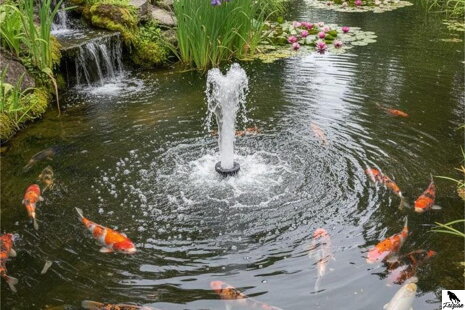
Aeration is one of the most important elements of maintaining a healthy pond, as it increases oxygen levels in the water, promotes biological filtration, and improves overall water quality. Proper aeration is especially crucial during the warmer months, when oxygen levels naturally drop and fish are more susceptible to stress and disease.
 251
251
Garden pond lighting
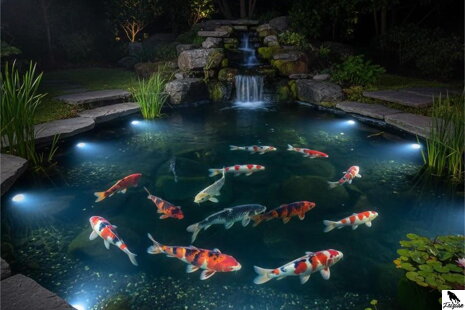
Garden pond lighting is not just an aesthetic addition. The right lighting can enhance the beauty of the pond, promote the health of plants and fish, and also ensure safety when moving around the pond at night.
 247
247
Substrates, fertilizers and flower pots for a garden pond
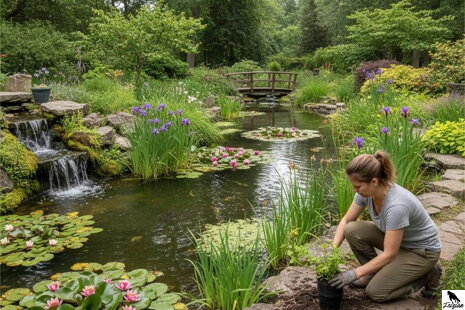
For a healthy and beautiful pond, substrates, fertilizers and pots are just as important as the plants themselves. The right combination will ensure optimal growth, flowering and ecological balance.
 246
246
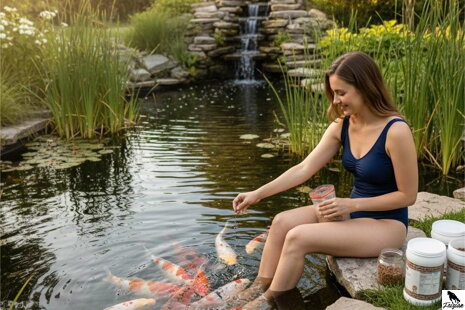
Food for Koi Carp
Koi are some of the most demanding and beautiful ornamental fish you can have in your pond. Their health, growth, coloration, and lifespan depend largely on what you feed them. Koi food is not just food – it is a source of energy, nutrition, and often preventive medicine.
 246
246
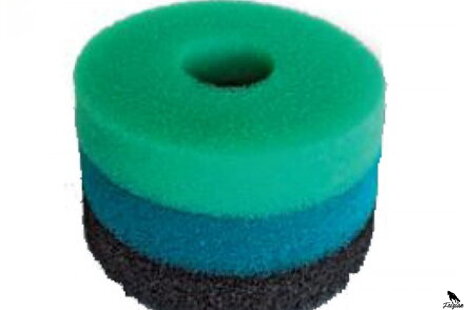
Biofoam for garden pond
Biofoam, also known as biological foam or bio-sponge, is a synthetic porous material used in garden ponds and aquariums as a biological filter. It serves to develop beneficial bacteria that convert harmful substances in the water into less harmful ones, thereby promoting stable water quality and the health of fish and plants.