



Welsh Pony
Added 24.1.2026 14:34.18 Views count 272
The Welsh pony is a very ancient, hardy and versatile breed of horse that originates from Wales (Great Britain). It is popular for its intelligence, friendly nature, hardiness and excellent riding skills, especially for children and intermediate riders.
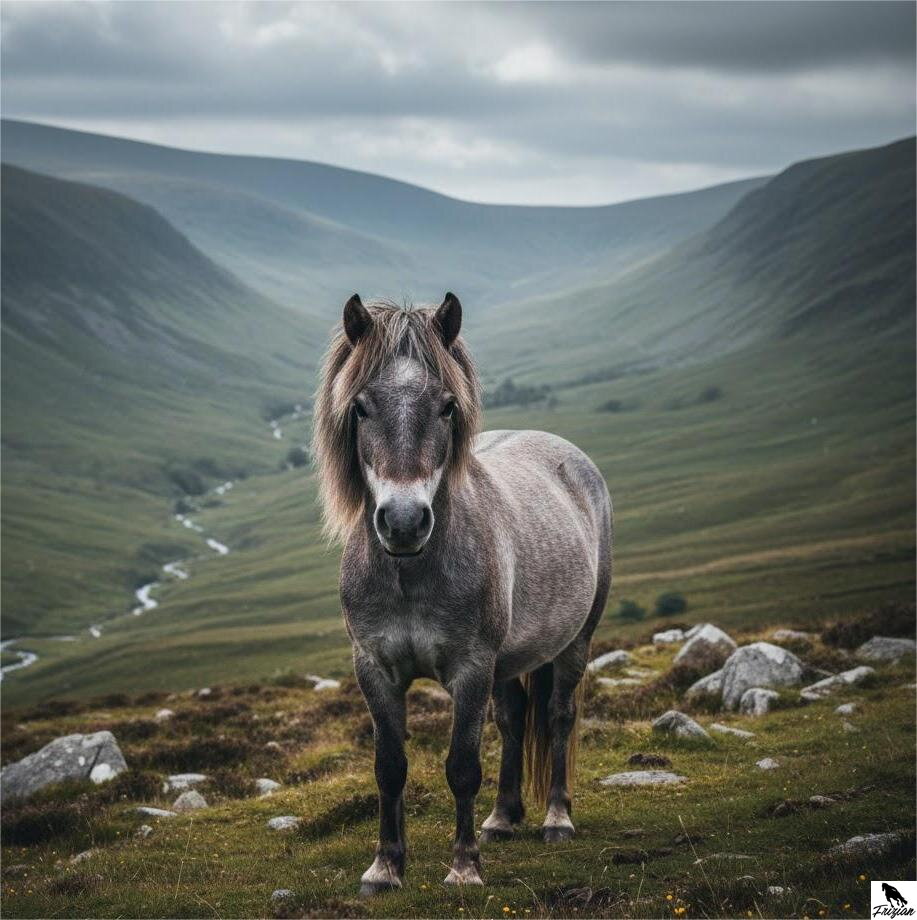
🌍 Origin and History
Welsh ponies evolved in the mountains and valleys of Wales in harsh climatic conditions, where they had to survive on meager food and adverse weather conditions. This shaped them into tough and resilient animals that can adapt to the harsh environment.
These ponies have very ancient roots, probably existing for thousands of years BC.
In the past, they worked as draft horses in mines and on farms, pulling carts and helping with everyday chores.
In the 1500s, their breeding was threatened by the ban on small horses, but the breed survived in the remote mountains.
Welsh ponies reached the USA in the late 19th century and gained great popularity there.
The first studbook of the Welsh Pony and Cob Society was established in 1901.
🐎 Appearance and physical characteristics
Welsh ponies are small but solidly built and compact animals:
Height: usually from 12 to 15 hands (≈ 122 to 152 cm) depending on the type.
Weight: about 400–700 kg for larger individuals.
They have strong bones, good hooves, a deep chest and strong back muscles - ideal for balance and pulling.
Coat colors: ponies can be of various colors (e.g. red, brown, black, gray), but piebald patterns are often not allowed in purebred individuals.
🐴 Types of Welsh Ponies
Welsh ponies are classified into four sections according to size and type:
Section Height Characteristics
A up to ~122 cm "Welsh Mountain Pony" - the smallest and most docile type, ideal for children.
B 122–137 cm Medium pony with greater elegance and performance.
C up to ~137 cm Cob Pony type - a more massive, well-built pony.
D over ~137 cm "Welsh Cob" - a more robust and larger pony/cob for older riders.
Ponies can also be "Welsh Part Bred" (WPBR) if they have at least 12.5% pure Welsh blood.
🧠 Temperament and behavior
Welsh ponies are intelligent, friendly and docile breeds.
👩🌾 Temperament:
Amiable and reliable: usually calm, easy to handle and suitable for children.
Intelligent: They learn new tasks quickly and respond to training, and handle a variety of riding styles well.
Social: Ponies are social and generally enjoy contact with other horses.
Temperament: They can be a bit "spunky" or temperamental at times — especially when working or playing sports — but they are not aggressive.
🩺 Health and Common Diseases
Welsh ponies are generally healthy and resistant to disease due to their genetic hardiness and evolutionary development in harsh conditions.
🐴 Common Health Risks:
Laminitis: Inflammation of the hoof caused by overeating grass or grain — common in ponies, especially when overgrazed.
Colic: Digestive problems that can occur when a sudden change in diet occurs.
Skin Problems: Occasional eczema or fungal infections (such as ringworm), especially in hot, humid weather.
Other diseases in practical breeding are relatively rare, but general care is important.3
🍏 Nutrition and care
🥕 Diet
Welsh ponies have low feeding requirements — a modest diet is often sufficient for them.
Good quality grass, hay and occasional supplementary feed during work or sports are suitable.
Excess feed can lead to obesity and health problems, especially laminitis.
🐾 Care
Hoofs: regular cleaning and trimming every 6–8 weeks.
Coat care: regular brushing, especially during the molting period.
Veterinarian: regular vaccinations, dental check-ups and deworming.
Exercise: sufficient grazing and free movement are important for a healthy psyche and physical condition.
✅ Breed advantages
✔️ High intelligence and docility — easy to work with.
✔️ Great temperament for children and adults.
✔️ Low maintenance and food requirements.
✔️ Versatile use: riding, harness, sports or hobby.
✔️ Hardiness and health – tolerates outdoor conditions well.
❗ Disadvantages and challenges
❗ Susceptible to laminitis when overgrazed.
❗ Potential temperament in more active individuals.
❗ They require consistent nutrition and care to be healthy and physically fit.
🐎 How to choose the right Welsh pony
When buying or adopting a Welsh pony, pay attention to:
Veterinary health check — check joints, breathing and teeth.
Temperament: test behavior when contacted, comfort with training and reactions.
Training level: a trained pony may be better for a specific purpose (e.g. riding vs. hobby).
Size and section: choose according to your height and abilities (e.g. children – section A/B, adults – C/D).
📌 Summary
The Welsh pony is a wonderful breed that combines friendliness, intelligence, endurance and versatility. With its different sections, it offers options for children and adults, easy training and sport riding. With proper care and nutrition, it is a great partner for life.