


Shetland pony
Added 24.1.2026 10:39.29 Views count 262
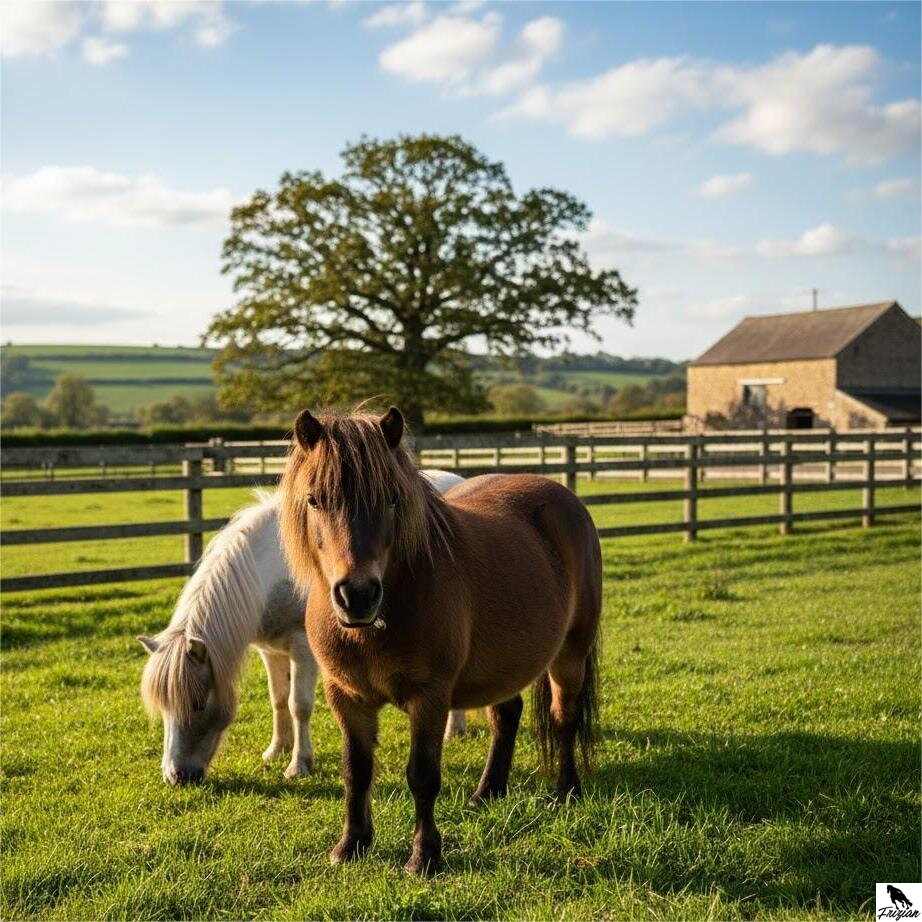
The Shetland pony is one of the most famous and oldest pony breeds in the world. It originates from the Shetland Islands off Scotland, where it was bred in a harsh climate. Despite its small size, it is a strong, hardy and intelligent horse that is used for recreation, draft, hobby riding and for children.
History and Origin
The Shetland pony originated from natural selection on the harsh Shetland Islands:
survived in extreme conditions (windy and cold environment, poor pasture)
originally used for coal and grape mining (draft horses)
from the 19th century it began to be exported throughout Europe and the USA as a riding and working pony
The breed is one of the most hardy and intelligent pony breeds in the world.
Appearance and body structure
The Shetland pony is small, compact and robust, ideal for children and light work.
Typical characteristics:
height: 85 – 107 cm
weight: 180 – 250 kg
strong frame
broad chest
solid legs and hooves
thick mane and tail, thick winter coat
Color:
all common color variants: bay, red, black, grey, bay, pinto
Character and temperament
Shetland ponies are known for their intelligence and friendly nature:
Typical characteristics:
friendly and docile2
independent and curious
resistant to harsh weather
persistent and hardworking
Character advantages:
suitable for children and beginners
docile in training
reliable in carriage or hobby riding
Character disadvantages:
sometimes stubborn (needs consistent approach)
with lack of activities can become restless
Life and requirements
Accommodation:
small boxes or spacious stables
run with shelter from inclement weather
pastures with thick grass are suitable
Exercise:
daily free movement on pasture
training or hobby riding
Social needs:
companion animals - they benefit from contact with other ponies or horses
Nutrition
The Shetland pony is demanding on the quantity, but not the quality of food - it gains weight quickly and can suffer from obesity.
Basic diet:
quality hay
grass pasture (amount by weight)
minerals and vitamins
Unsuitable diet:
large amounts of energy feed (risk of laminitis)
sweets and cereals
Health status and common diseases
Shetland ponies are healthy and hardy, but there are some specific problems:
The most common health problems:
Laminitis - with obesity or overeating
Dental problems - tooth wear due to poor diet
Obesity - they gain weight very easily
Hoof infections - with poor paddock conditions
Types and types of Shetland pony
Classic Shetland - compact, robust, often used for hobby riding and carting
Mini Shetland - smaller type, suitable for children and show purposes
Modern Sport Shetland - chosen for sports and agility
Use of Shetland ponies
riding for children
hobby and recreation
therapy and riding schools
sleigh (carriage)
shows and exhibitions
Breed advantages
hardy and healthy
small and suitable for children
friendly nature
low housing requirements
universal use
Breed disadvantages
stubbornness in some individuals
susceptibility to overeating
not suitable for adult riders for demanding training
need for consistent guidance
How to choose a Shetland pony
1. Purpose of use
hobby riding, children, therapy, sled
2. Age
young for training
older suitable for hobby
3. Nature
willing to cooperate
non-aggressive
4. Health
checking hooves, teeth, mobility
checking weight and condition
5. Type
classic, mini or sports - depending on the purpose
Who is the Shetland pony suitable for
✔ children
✔ families
✔ riding schools
✔ hobby horse breeders
❌ riders looking for a large sport horse
❌ people without experience in care
The Shetland pony is a small, robust and intelligent horse that can be a great companion for children and adults. With proper care and management, it is long-lived, healthy and versatile, whether for hobby riding, harness or show. The key to satisfaction is proper nutrition, regular exercise and consistent management.