


Kohaku
Added 25.1.2026 13:50.12 Views count 287
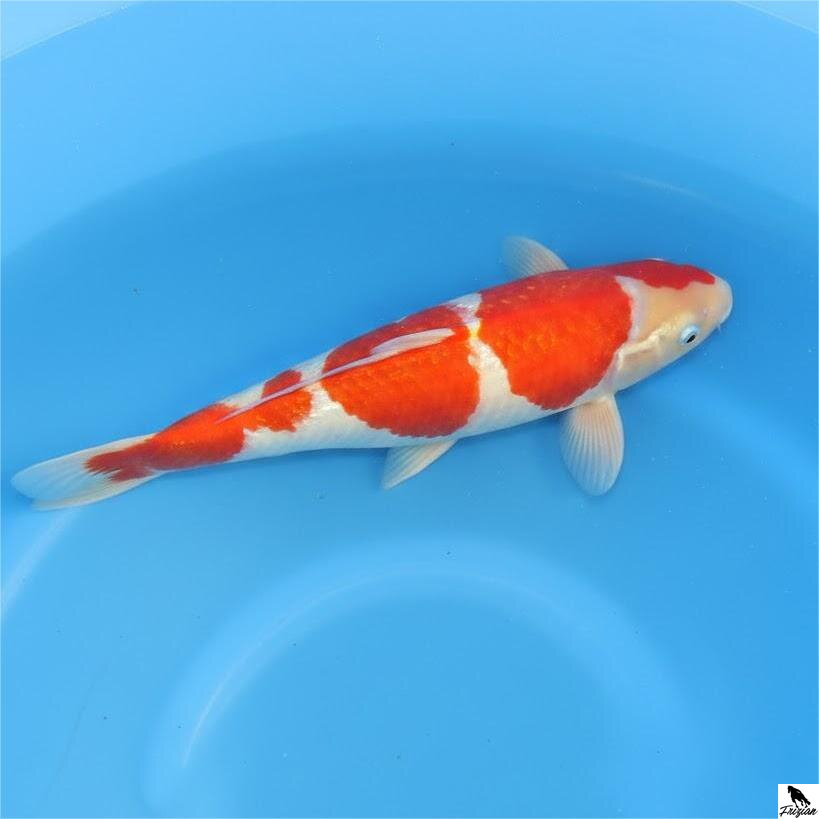
Kohaku Koi are one of the most well-known and popular varieties of Koi. Their distinctive appearance and impressive color combination make them the heart of any pond and a symbol of Japanese art and elegance.
🎨 What Kohaku Koi Look Like
Color: Kohaku Koi are white with bright red (hi) spots on their bodies.
Pattern: Spots should be symmetrical and harmonious, with no spots on the head (ideally all white head).
Size: Adults usually reach 50–70 cm, sometimes more under ideal conditions.
Body shape: Robust, smooth body with elegant curves, short heads, slightly curved fins.
Fins: Transparent or lightly colored, they are relatively long and elegant.
Kohaku are very visually impressive and are often considered the "classic" among Koi.
🌊 Kohaku Koi Requirements
Pond Size
The minimum size for one Kohaku is 2000–3000 liters, ideally more.
The depth of the pond should be min. 80 cm (better 1.2–1.5 m) for temperature regulation and protection from predators.
Water quality
Temperature: 15–28 °C, stable environment without sudden changes.
pH: 6.8–8.2
GH (water hardness): 100–300 mg/l CaCO₃
KH (carbonate hardness): 80–150 mg/l
Sufficient oxygenation of the water through filters or aeration.
Diet
Complete food for Koi, with a higher content of dyes (astaxanthin, spirulina) to preserve the red patterns.
Feeding 1–3 times a day is important depending on the water temperature (feeding is limited or stopped in winter).
Pond maintenance
Filtration, sludge cleaning, partial water changes and water quality control are essential.
Suitable cover or netting against birds and other predators.
🐠 Kohaku Koi Nature
Social: Kohaku Koi are peaceful and like to stay in larger groups.
Active: They swim very actively and like to consume food on the surface.
Fearless: With proper care, they quickly learn to recognize feeding from the owner and can approach the hand.
🩺 Health status and common problems
Common problems:
Parasites: E.g. skin or gill parasites, especially with insufficient hygiene.
Bacteria and mold: With deteriorated water quality (high ammonia, nitrates).
Fin rot: Often with stressful conditions or damage.
Color change: Can signal stress or nutrient deficiency.
Preventive measures:
Stable water parameters.
Regular water quality testing (pH, ammonia, nitrite, nitrates).
Good filter and aeration.
Regular observation of fish, isolation of sick individuals.
🔍 Kohaku Koi species and variations
Show Kohaku: Highest quality with perfect red patterns and pure white color.
Standard Kohaku: For hobby ponds, color patterns less precise.
Mini/Koi Starter: Small Kohaku suitable for smaller ponds or beginner breeders.
✅ Advantages and disadvantages of Kohaku Koi
Advantages:
High aesthetic value - classic, elegant appearance.
Sociable, active and friendly to humans.
They can live for decades with proper care.
They maintain an intense red color with proper feeding.
Disadvantages:
Sensitive to water quality - need a stable environment.
Higher demands on pond size.
Higher price for quality show specimens.
They can be prone to algae and parasites if not cared for properly.
🛠️ How to Choose Kohaku Koi
Color Quality: White color should be pure, red spots should be deep and symmetrical.
Body Shape: Robust, without deformities.
Health: Bright eyes, smooth skin, active swimming, no signs of fin rot.
Size: When purchasing a young koi, make sure it is healthy and well-fed.
Origin: Verified breeder to minimize the risk of genetic problems.
📌 Summary
Kohaku Koi are the queen of Japanese Koi. Their combination of elegance, colorful beauty and active nature make them ideal fish for a garden pond. Proper care of water quality, food and pond maintenance is key to their health and longevity.