


Icelandic horse
Added 24.1.2026 13:57.52 Views count 262
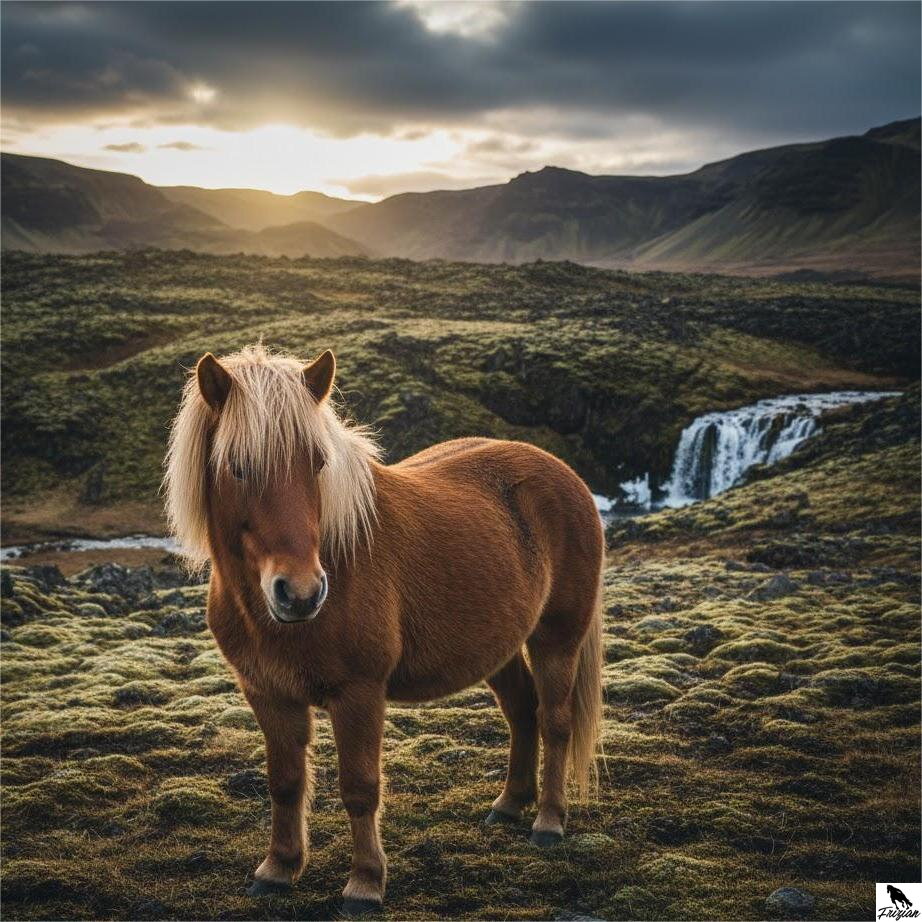
The Icelandic horse is an ancient, small but very hardy breed originating from Iceland. It is known for its resistance to harsh environments, stable nature and specific gait - tölt. It is suitable for hobby riding, hiking, but also sports disciplines.
Historical Origins of the Breed
The Icelandic Horse originates from eastern Scandinavia, having been brought to Iceland by Viking settlers in the 9th–10th centuries.
Over the centuries, it has evolved to adapt to the harsh Icelandic conditions, with an emphasis on hardiness, endurance and health.
The breed is characterized by a closed gene pool, as no new horses are allowed to be imported to Iceland.
Appearance and Body Structure
The Icelandic Horse is compact, robust and well-muscled, adapted to the harsh environment.
Basic characteristics:
Height at the withers: 132 – 142 cm
Weight: 380 – 450 kg
Body structure: short, strong back, solid skeleton, deep chest
Head: delicate with large eyes and small ears
Coat: thick, winter-resistant, various colors – red, chestnut, gray, black
Special features:
thick coat and mane that protects against wind and cold
wide hooves suitable for rocky and icy terrain
short, strong legs9
Character and temperament
The Icelandic horse is balanced, intelligent and docile.
Typical characteristics:
friendly and devoted to the rider
reliable and persistent
teachable, suitable for beginners and experienced riders
independent and resistant to stress
Advantages of temperament:
ideal for tourism and hobby riding
adaptable to various conditions
able to work independently
Disadvantages of temperament:
sometimes stubborn
needs consistent and patient training
may be reserved when not used to a new rider
Life and demands
The Icelandic horse is extremely hardy, undemanding to housing and feed, which is the result of its development in harsh mountain conditions.
Housing:
can be housed in a box or in a free range
a combination of pasture and daily free movement is beneficial
stables protected from wind and cold are suitable
Exercise:
regular exercise is essential
ideal is off-road riding, hiking and free walking
Social needs:
very sociable, thrives in a group of other horses
Nutrition
The Icelandic horse has a frugal metabolism, does not need much feed.
Main diet: hay, pasture, minerals and salt
Can be given a small amount of kernels when under increased stress
Health status and common diseases
The Icelandic horse is a very healthy breed, thanks to the isolation in Iceland and careful breeding.
Common health aspects:
natural resistance to diseases
problems can occur with neglected hoof care
rare: metabolic problems, laminitis
Types and lines of the breed
The Icelandic horse is a single breed, but it is distinguished by its performance and nature:
Tourist line: calmer, suitable for recreational riders
Sport line: powerful, suitable for tölt and endurance competitions
Uses of the Icelandic horse
tourism and trekking
hobby riding
sports disciplines (tölt, pace)
sledding and equestrian therapy
Breed advantages
resistant to adverse weather conditions
low-maintenance and stable
reliable, intelligent and docile
exceptional tölt - comfortable for the rider
suitable for all ages of riders
Breed disadvantages
sometimes stubborn, requires consistent training
small size – not suitable for heavy riders
less suitable for disciplines requiring high speed
How to choose an Icelandic horse
Purpose of use: recreational riding, trekking, sport, therapy
Age and condition: young for training, adult for reliable nature
Temperament: friendly, docile, suitable for the rider
Health check: hooves, spine, general condition
Movement test: suitable tölt, movement on uneven terrain
For whom is the Icelandic horse suitable
✔ recreational riders and families
✔ beginner and advanced riders
✔ hiking and trekking in difficult terrain
✔ equestrian therapy
❌ people who prefer high sports disciplines such as dressage or show jumping
The Icelandic horse is an intelligent, hardy and versatile companion, ideal for hobby riding, hiking and sports purposes. Thanks to its unpretentiousness and stable nature, it is an ideal horse for riders of all ages who are looking for a reliable partner for nature and leisure.