


Hognose snake
Added 25.1.2026 19:49.51 Views count 389
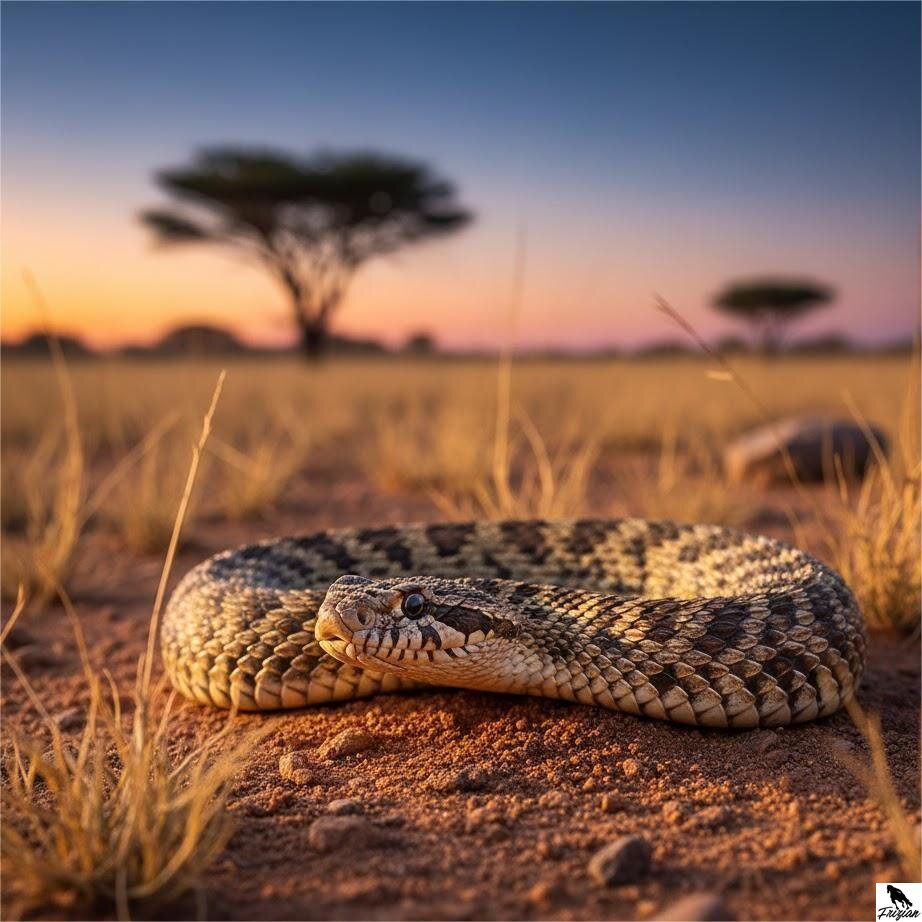
The Hognose snake (often Heterodon) is a small to medium-sized snake with an interesting personality and a characteristic "rim" on its nose. It is popular in terrariums for its comical defensive behavior, relatively easy care, and attractive appearance. This article covers appearance, environmental requirements, behavior and temperament, nutrition, health problems, known species, advantages and disadvantages of keeping, and practical advice on choosing a snake.
🧠 1. Who is a Hognose Snake?
"Hognose snake" is not a single species — it is a group of snakes with a characteristic upward-curved nose, which occurs in different localities and genera:
Genus Heterodon - native North American wax snakes (most often kept as pets).
Genus Lystrophis - South American hognose snakes.
Genus Leioheterodon - Madagascar hognose snakes.
In terrariums, we most often encounter the North American hognose snake (genus Heterodon), so I will mostly focus on it in this article.
🎨 2. What it looks like
Body shape: shorter, robust body with a strong muscular torso and short tail.
Characteristic nose: the main characteristic — an upward-curved tail (rostral) shield, which facilitates digging in soil and sand.
Length: Most species grow to about 45–90 cm in adulthood, depending on size and sex.
Colors and patterns: Very variable — from sandy, brownish and olive to contrasting stripes or spots. There are also a number of color morphs in captivity.
Eyes: Large, round, with active daytime vision.
🏡 3. Environmental and care requirements
📏 Terrarium and space
Jupiter: Smaller boxes or terrariums around 40 × 30 × 25 cm will suffice.
Adults: Ideally 60 × 45 × 30 cm or larger, with plenty of soil surface and hiding places.
Bottom: Hognose love to burrow, so it is important to have a deep layer of substrate (e.g. aspen shavings, sand with soil, reptile mix) that will allow them to dig shelters.
🌡️ Temperature & Relative Humidity
Daytime temperature: ~26–32°C (warm side approx. 88–92°F).
Cooler zone: ~24–27°C.
Nighttime temperature: can drop to ~20–24°C.
Humidity: low to moderate (~30–50%) with a moist hide or small damp pit to aid in moulting.
💡 Lighting
UVB light: not strictly required, but mild UVB (2–5%) can encourage natural behavior and contribute to overall health.
Daylight cycle: 10–12 hours of light per day.
🪵 Terrarium equipment
Hiding places: at least two (warm and cool corner).
Decor: hiding places, rocks, and low hiding places to create a "land environment".
Water: a shallow dish of fresh water daily.
🍽️ 4. Nutrition and feeding
Main food: in captivity, pre-fed (frozen/thawed) mice of an appropriate size are given, which should not be wider than the widest part of the snake's body.
Frequency:
Juveniles: every ~4–7 days.
Adults: ~every 7–14 days, depending on appetite.
Note on prefs: Heterodon in the wild often hunts toads or frogs, which is one of the reasons why some individuals can be picky eaters — sometimes it is necessary to base food on smell or adjust the diet a little.
🧠 5. Nature and behavior
🐍 Daily rhythm
Hognose are diurnal — active during the day and like to trample around the terrarium, looking for food and digging.
🐍 Defensive Behavior
Unique to this group is their chain of defensive reactions, which are mostly not dangerous to humans:
Hissing and "pancaking": a flat spread of the body and throat, reminiscent of a cobra.
Bluffing or "fake strikes": the snake may demonstrate strikes with its mouth closed — an actual bite is rare, although some individuals may defend themselves more than others.
"Playing dead": if the initial defensive behavior does not work, they often feign death by lying on their back with their tongues out — very effective against predators.
🐍 Handling and Temperament
Temperament: Mostly peaceful and curious, but not the type of snake that likes to be held all the time; some individuals adapt better to handling than others.
Bluffing and "dramatic" behavior: This behavior is normal and is not a sign of aggression — more of a protective one.
🩺 6. Health and Common Problems
🧫 Common Health Risks
✔ Respiratory Infections: Severe if temperature or humidity is too low.
✔ Shedding Problems: Low humidity or lack of shelter with higher humidity.
✔ Parasites: Both internal and external can cause loss of appetite and decreased condition.
✔ Obesity/Malnutrition: If food is not given in adequate quantity or frequency.
🩹 Signs of Poor Condition
Loss of appetite, lethargy, unusual feces.
Retained shed (retained skin) around the toes or eyelids.
Respiratory Problems: Mucus, labored breathing — urgent vet care.
It is always a good idea to have contact with a veterinarian with experience with reptiles and do annual health checks.
🧬 7. Hognose Species and Variations
🐍 North American (genus Heterodon):
Eastern hognose (Heterodon platirhinos) – Cool colors and strong defensive behavior.
Western/Plains hognose (Heterodon nasicus) – most commonly kept species with many morphs.
Southern hognose (Heterodon simus) – smaller species with similar requirements.
🐍 South American and Malagasy:
South American hognose (Lystrophis spp.) – less common in breeding.
Madagascar giant (Leioheterodon madagascariensis) – larger species from Madagascar.
Speckled/Blonde hognose (Leioheterodon geayi, L. modestus) – colorful species from the island.
⚖️ 8. Advantages and disadvantages of breeding
👍 Advantages
✔ Small to medium size: does not require a large terrarium.
✔ Interesting behavior: dramatic defensive poses and "acting" performances.
✔ Longer lifespan: ~12–20 years with proper care.
Tags
- The Hognose snake (often Heterodon) is a small to medium-sized snake with an interesting personality and a characteristic "rim" on its nose. It is popular in terrariums for its comical defensive behavior
- relatively easy care
- and attractive appearance. This article covers appearance
- environmental requirements
- behavior and temperament
- nutrition
- health problems
- known species
- advantages and disadvantages of keeping
- and practical advice on choosing a snake.