



Asagi
Added 25.1.2026 14:45.10 Views count 277
Asagi Koi are one of the oldest and most well-known types of koi, with a distinctive and elegant appearance that will appeal to any koi keeper. With their characteristic colors and patterns, Asagi koi are valued primarily for their aesthetic value. In this article, you will learn what Asagi koi look like, what their breeding requirements are, what their nature is, what health problems they can have, what types of Asagi koi we know, and everything you need to know when caring for these beautiful fish.
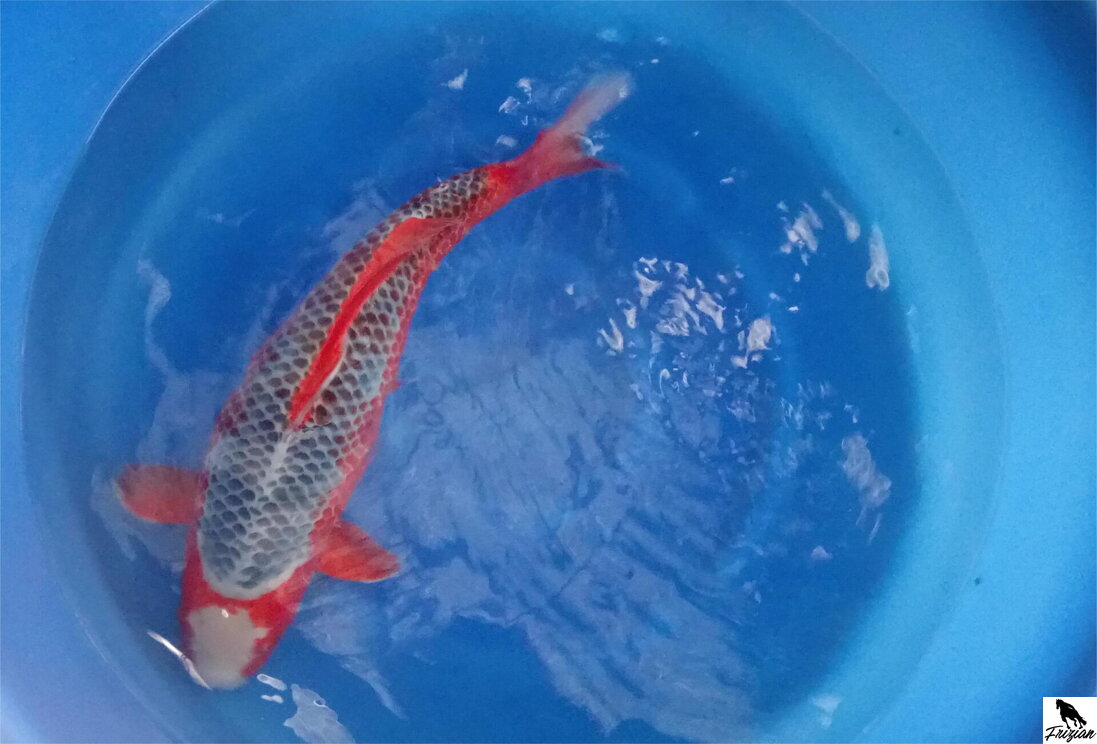
Appearance of Asagi Koi
Asagi koi are known for their unique pattern that gives them a unique appearance among other koi fish.
🔹 Color and Pattern
Body: Asagi koi have a characteristic light blue or gray body with subtle blue tones that create a beautiful contrast with the red color on their body. These fish have a light base color that is very elegant and delicate.
Aka (red) spots: These koi have red spots (Aka) that are found in various places on the body - especially on the belly, sides and sometimes on the head. The red spots are often visible, but should not dominate the blue base.
Sumi (black spots): Black spots are less common in Asagi koi, but can sometimes appear on the caudal fin or sides. The black spots are usually very fine and inconspicuous.
🔹 Shape and Size
Body: Asagi koi have a slender and elongated body, which is ideal for swimming in ponds. This shape allows them to move easily in the water.
Size: Asagi koi can grow to a length of 60-80 cm, making them one of the larger koi fish.
Fins: The fins are strong and well-developed, which allows the koi to move efficiently in the pond.
Asagi Koi Breeding Requirements
Asagi koi, like all koi, have their own specific environmental requirements to be healthy and strong. These fish are not the most demanding to care for, but they do require certain conditions that will ensure their proper development.
🏡 Pond
Pond Volume: For Asagi koi, a pond with a volume of at least 3000 to 5000 liters for one fish is ideal, with an additional 1000-1500 liters of water for each additional fish.
Depth: The pond should be at least 1.2 meters deep, with an ideal depth of 1.5–2 meters. This helps stabilize the water temperature, which is important for the health of the fish.
Filtration: Since koi produce a large amount of waste, it is necessary to provide high-quality water filtration that ensures good aeration and filtration of mechanical and biological impurities.
💧 Water quality
Temperature: Asagi koi prefer temperatures between 15–25 °C, but can also survive in colder conditions as long as the temperature does not drop below 4–5 °C, which can slow down their metabolism. In winter, the temperature should be kept above freezing to prevent damage to the fish.
pH: Koi fish, including Asagi, prefer a pH between 6.8 and 8.2, and stability of this value is crucial for their health. pH fluctuations can cause stress and weaken the fish's immune system.
Alkalinity (KH) and water hardness (GH): Ideal values are between 3–5 KH (alkalinity) and 6–10 GH (hardness). These values ensure a stable environment that is friendly to koi.
Water oxygenation: The water should be well oxygenated so that the koi have enough oxygen to breathe, which supports their active behavior and health.
🍽️ Food and diet
Koi food: Koi are omnivores, but for optimal growth and color development, they need to be fed a balanced koi food that is high in protein, omega-3 fatty acids and vitamins such as spirulina to support color.
Feeding rates: Koi are fed 2-3 times a day. The rates should be such that the fish can eat all the food within 5 minutes. Overfeeding increases water pollution.
Wintering: During the winter months, when the water temperature drops below 10°C, feeding should be reduced or stopped altogether, as the koi will slow down their metabolism and will not be able to process their food.
Asagi Koi Personality
Asagi koi are known for their calm and even-tempered nature, which is why they are so popular in community ponds. These fish do not tend to show aggressive behavior and are compatible with other koi species and fish.
🐟 Behavior
Social and Peaceful: Asagi koi are social and prefer to swim in groups, so it is ideal to have several fish in a pond. When in the company of other fish, they often move in a calm rhythm, which is very pleasant for the keepers.
Curious: These fish are also very curious and will often approach the edge of the pond to survey their surroundings or wait to be fed.
Asagi Koi Health and Common Problems
Like any other koi fish, Asagi koi can face various health problems, especially if optimal water conditions are not maintained. Regular care is key to keeping these fish healthy and strong.
⚠️ Common Health Problems
Parasitic Infections:
Asagi koi can be susceptible to various parasites, such as Ichthyophthirius (white spot) or Trichodina, which can cause inflammation of the skin and gills. These infections usually appear if the water quality is poor or if the fish is weakened by other factors.
Prevention: Maintaining stable water quality and regularly checking the health of the fish can help prevent these infections.
Bacterial Infections:
Aeromonas and Pseudomonas are common bacterial infections that can cause fin rot or skin ulcers.
Prevention: Prevention through good water filtration and proper fish care is important.
Injuries:
Injuries can occur from hitting hard objects in the pond or from conflicts with other fish.