



American Saddlebred
Added 24.1.2026 17:03.51 Views count 271
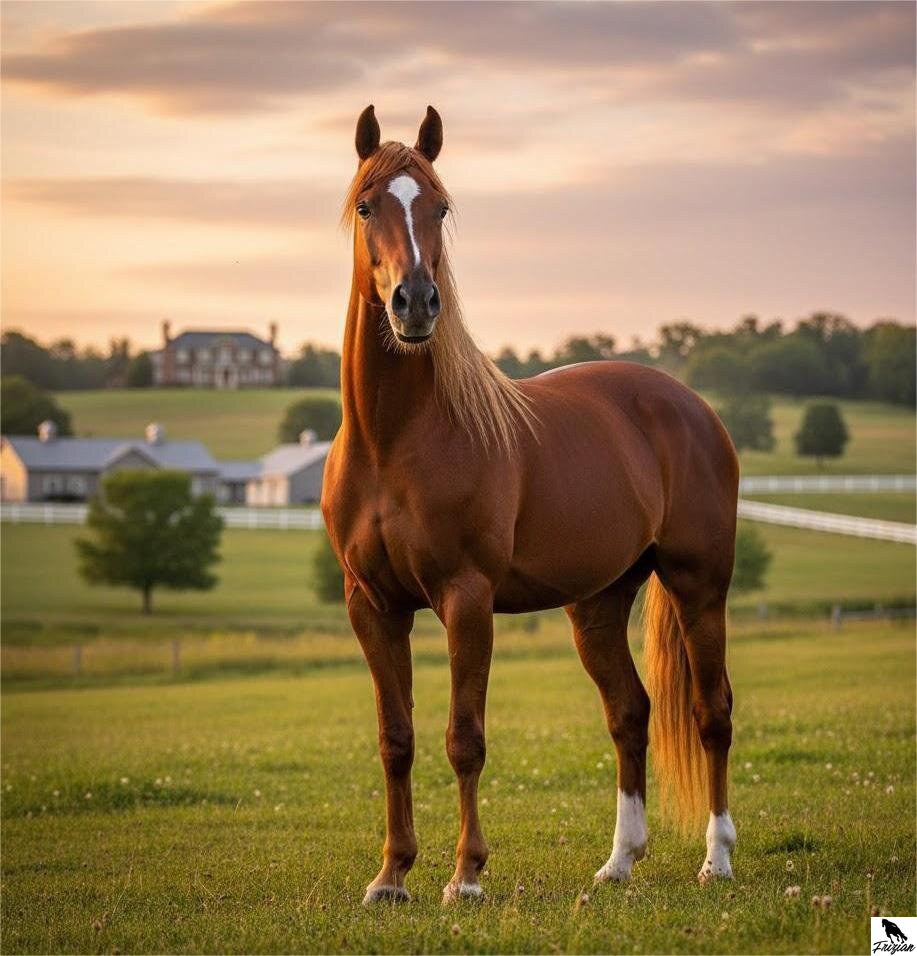
The American Saddlebred is an elegant, athletic and versatile breed of horse originating from the USA, often nicknamed the "Peacock of the Horse World" for its striking presentation, high stride and commanding stance. It is popular in equestrian circles and show disciplines and can be an exceptional partner for demanding riders and active owners.
🧬 Origin and History
The American Saddlebred originated as a breed in Kentucky, USA, during the 18th–19th centuries. Its ancestors are European and colonial horses, including the Narragansett Pacer, Canadian Pacer, Morgan and Thoroughbred, which gave it a combination of elegant movement, endurance and versatility.
The breed was first officially registered in 1891 and has since spread around the world. They worked mainly as riding and carriage horses, later becoming stars of shows and sports competitions.
🐎 Appearance and physical characteristics
The American Saddlebred is a medium-sized warmblood with a harmonious athletic build:
Height at the withers: usually ~ 15–16 hands (150–163cm).
Weight: around 900–1200lb (~410–540kg).
Body: elegant but solid muscle with good conformation.
Neck and head: High set neck and recognizable head with a strong carrying position.
Tail: Often carried high, especially in show classes.
Coat color can be any - the breed is not subject to color restrictions.
🧠 Nature and temperament
The American Saddlebred is a lively and intelligent horse:
✔️ Energetic and explosive: It has a lively and active nature, which makes it very dynamic.
✔️ Docile and friendly: It usually cooperates quickly with the rider or driver.
✔️ Sensitive: Due to its temperamental nature, it reacts sharply to aids, which can be a challenge for non-beginners.
✔️ Show character: It often presents itself with a proud carrying position and a high, "dancing" step.
This temperament means that the Saddlebred is more suited to an experienced rider or owner who can work with him consistently and patiently, although with the right training he can be a reliable partner.3
🏡 Life, care and demands
🐴 Nutrition
AmericanSaddlebreds are active and athletic:
🍽️ Basis of the diet: good quality hay or pasture.
🍽️ Higher energy feed: may be necessary for intensive work or training.
🍽️ Sensitive digestive tract: doses must be balanced to avoid digestive problems or stomach ulcers.
🐾 Exercise and housing
Daily exercise: essential for both physical and mental health.
Grazing and paddock: ideal for maintaining fitness.
Grooming: regular combing and care of the mane and tail - important for show and overall coat health.
Hooves and teeth: regular checks and trimming.
🩺 Health and common diseases
AmericanSaddlebreds are generally healthy, but they have predispositions:
⚠️ Common health problems
Lordosis (swayback): genetically determined curvature of the back, often more cosmetic, but should be monitored.
Degenerative joint disease: with demanding training and stress.
Gastric ulcers: stress and irregular diet increase the risk.
Respiratory problems: with a high neck, breathing can sometimes be restricted.
Lameness and stifle/hock problems: due to strong leg action and performance stress.
🩹 Prevention and care
Regular veterinary check-ups, proper nutrition, adequate training and hoof care significantly reduce the risk of these problems.
📊 Types and Types of Saddlebreds
The American Saddlebred is traditionally divided according to the type of gait and performance in the show:
🐾 Three-Gaited Saddlebred
The horse presents a walk, trot and canter.
🐾 Five-Gaited Saddlebred
In addition to the traditional three gaits, it can also perform Slow Gait and Rack - two extra, highly elegant and expressive gaits.
Other categories may vary according to disciplines such as Fine Harness, Park or Pleasure, which are also competed in various show rings.
👍 Breed advantages
✔️ Versatility: suitable for riding, show, show jumping and tight disciplines.
✔️ Elegant appearance: high action and impressive movement make a big impression.
✔️ Intelligence: docile and sensitive partner in training.
✔️ Long life: up to ~25–30 years with proper care.
👎 Breed Disadvantages
❗ Energetic and temperamental nature: can be challenging for complete beginners.
❗ Potential health risks: degenerative or digestive problems without proper care.
❗ Higher costs: show and sport horses generally cost more to buy and maintain.
🐎 How to choose an AmericanSaddlebred
🔎 1. Check the pedigree
Check the pedigree and achievements of ancestors in show or sport disciplines.
🩺 2. Health examination
Veterinary examination of joints, spine, hooves and general health.
🐴 3. Temperament and behavior
Watch to see if the horse is willing to cooperate or is very "hot" and sensitive.
📋 4. Purpose of use
For show and park disciplines: look for horses with typical high action and good gaits.
For recreational riding or trail riding: a horse with a milder temperament may be more suitable.
📌 Conclusion
The American Saddlebred is an elegant, intelligent, and versatile horse with a rich history and excellent abilities in both dressage and show riding. Although its temperament and specific needs can be challenging, with proper care it can be a fascinating partner for both discerning riders and horse lovers.