



Akhal-Teke horse
Added 23.1.2026 20:40.33 Views count 345
The Akhal-Teke horse is one of the oldest, rarest and most exotic horse breeds in the world. Known for its metallic luster, extreme endurance and unique temperament that requires an experienced and sensitive owner, the breed is a living legend of Central Asia.
Origin and History
The Akhal-Teke horse originates from the territory of present-day Turkmenistan, where it was bred by nomadic tribes (mainly Turkmen) more than 3,000 years ago.
bred in extreme desert conditions
selected for endurance, speed and devotion
horse of warriors and riders
considered the ancestor of many noble breeds
The Akhal-Teke is often associated with the origin of:
the Arabian horse
the English Thoroughbred
Appearance and body structure
The Akhal-Teke horse has an unmistakable appearance that distinguishes it from all other breeds.
Typical features:
height: 155 – 165 cm
very lean, slim and long-legged build
long neck with high set
narrow head with expressive eyes
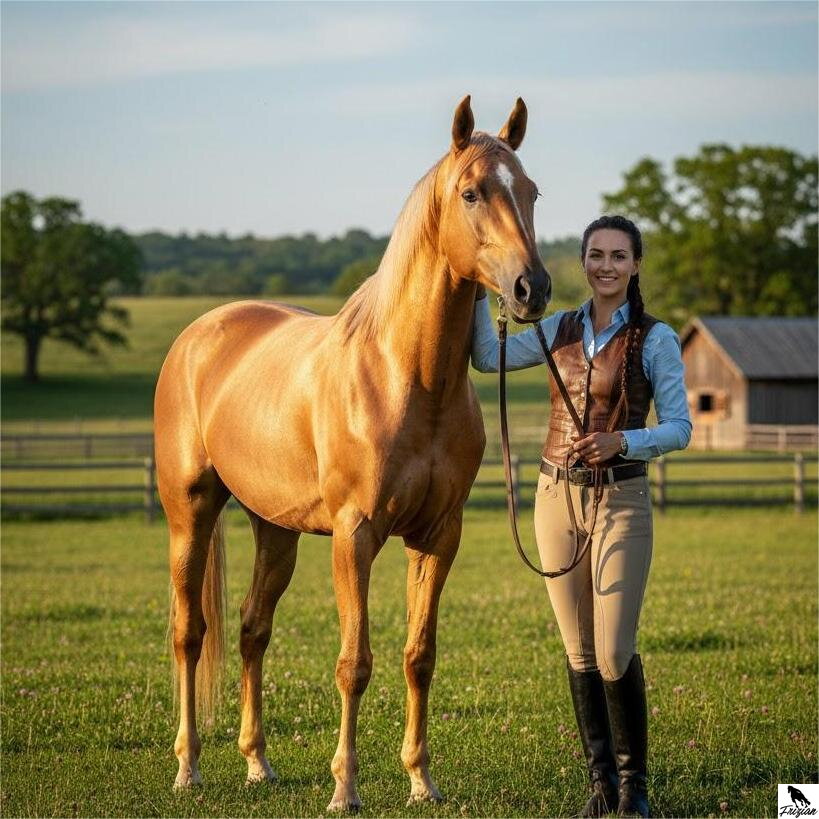
fine, silky coat with metallic sheen
Colors:
palomino
isabel (cream)
brown
red
grey
black
👉 The metallic sheen of the coat is caused by the specific structure of the hairs – it is a typical feature of the breed.
Nature and temperament
The Akhal-Teke has a very specific nature, often compared to a "one-man dog".
Typical characteristics:
extremely loyal to one person
intelligent and perceptive
sensitive to handling
proud, sometimes reserved
Advantages of character:
strong bond with owner
willingness to work for "his" person
exceptional memory and docility
Disadvantages of character:
mistrustful of strangers
does not tolerate rough treatment
not suitable for beginners
Lifestyle and breeding requirements
Housing
tolerates dry and warm environments
sensitive to dampness, cold and drafts
needs clean, dry housing
Exercise
needs regular, systematic training
responds well to long-term stress
Social needs
bonds more with humans than with the herd
however, contact with other horses is important
Nutrition - economical, but specific
The Akhal-Teke horse has an effective metabolism, adapted to poor conditions.
Nutritional basis:
quality hay
limited amount of kernel
minerals and electrolytes
oils (linseed, rice) for energy
Risks:
does not tolerate sudden changes in feed
sensitivity to overfeeding
Health status and common diseases
Achalteke horses are resilient, but there are certain specifics.
Common health problems:
1. Skin sensitivity
delicate skin prone to injuries
susceptibility to insects
2. Problems with thermoregulation
does not tolerate cold and damp weather
3. Digestive problems
with poor quality feed or stress
4. Psychological stress
changing the owner or environment is difficult
👉 With proper care, this is a long-lived and healthy breed.
Types of Akhal-Teke Horses
By Line:
Sporting Lines – Taller, More Athletic
Traditional Lines – Typical Appearance, Less Robust
By Use:9
Endurance Riding
Dressage (Higher Level)
Jumps (Limited)
Shows and Breeding
Advantages of the Akhal-Teke Horse
Extraordinary Endurance
Unique Appearance
Strong Loyalty
Frugal Metabolism
Long Lifespan
Disadvantages of the Akhal-Teke Horse
Demanding Nature
Not Suitable for Beginners
Climate Sensitivity
Higher Purchase Price
Limited Availability
How to Choose an Akhal-Teke Horse
1. Owner Experience
👉 Suitable Only for Experienced Riders
2. Purpose of Use
Sport
Breeding
Recreation (Experienced Rider)
3. Origin and line
registered breeding
pedigree
4. Personality
more important than exterior
5. Health
veterinary examination
condition of skin, hooves and spine
For whom is the Akhal-Teke horse suitable
✔ experienced rider
✔ a person looking for an exceptional breed
✔ a patient and sensitive owner
✔ a sports-oriented rider
❌ beginner
❌ a person without time for training
❌ a less emotionally stable owner
The Akhal-Teke horse is a living work of art, a breed with a deep history, extraordinary abilities and a strong personality. It is not an "ordinary horse" - it is a partner for life that requires respect, stability and experience. However, for the right person, it is an irreplaceable companion.